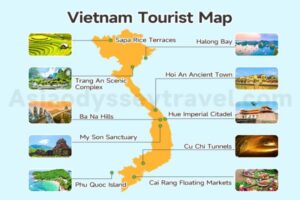
Northern Vietnam is an attractive destination with diverse landscapes, from the towering mountains of Sapa to the stunning coastline of Ha Long Bay. Understanding the North Vietnam’s weather will help make your trip more enjoyable and complete.
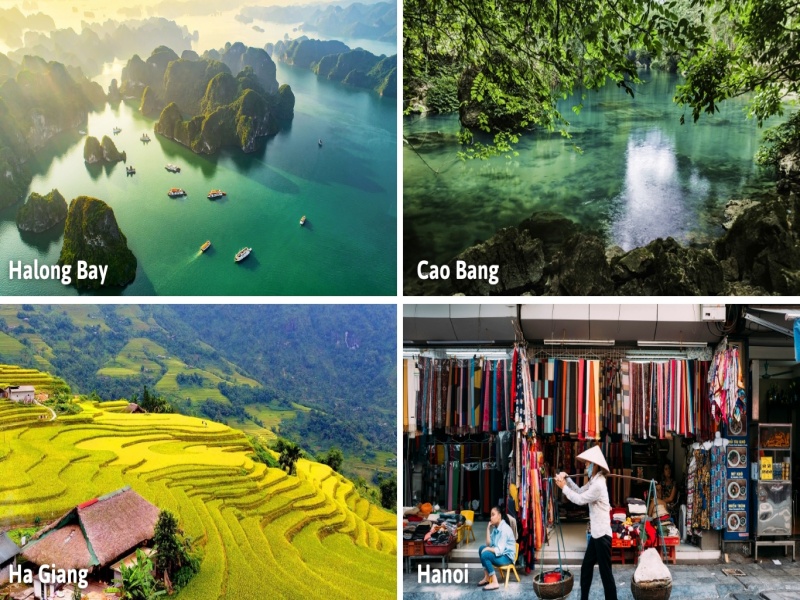
North Vietnam’s weather – Seasonal Climate Characteristics
Northern Vietnam has a distinctive climate with four distinct seasons, creating a variety of weather patterns and natural landscapes. If you’re looking to understand the North Vietnam’s weather for your upcoming journey, this article will provide you with an overview of the region’s climate.
Have a look at:
- North Vietnam itinerary: A great travel plan for first-timers!
- North Vietnam cities: Discover the hidden gems of the Northern Vietnam!
Overview of North Vietnam’s weather
The North Vietnam weather has a subtropical humid climate with four distinct seasons: spring, summer, autumn, and winter. The region experiences significant temperature fluctuations throughout the year, with noticeable climatic differences between the Northeast and Northwest areas.
- Spring (February – April): Warm weather, light rain, and high humidity.
- Summer (May – August): Hot weather with occasional showers and storms, temperatures can reach 38-40°C.
- Autumn (September – November): Cool and pleasant, with less rain, making it an ideal time for travel.
- Winter (December – January): Cold weather, foggy, with temperatures potentially dropping below 10°C. In high mountain areas, frost may appear.
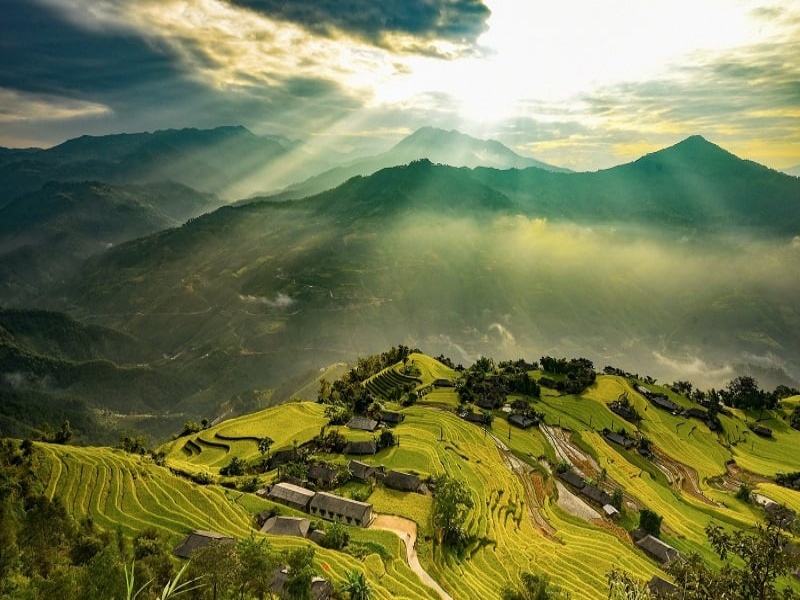
The Four Seasons in North Vietnam’s weather
The four seasons in North Vietnam bring different climate features, from the warmth of spring, the vibrancy of summer, the romance of autumn, to the enchanting chill of winter. If you love exploring nature and culture, take the time to fully experience the beauty of Northern Vietnam through each season of the year.
>>> Explore more: Day Trip in Northern Vietnam: Top 17 most attractive locations!
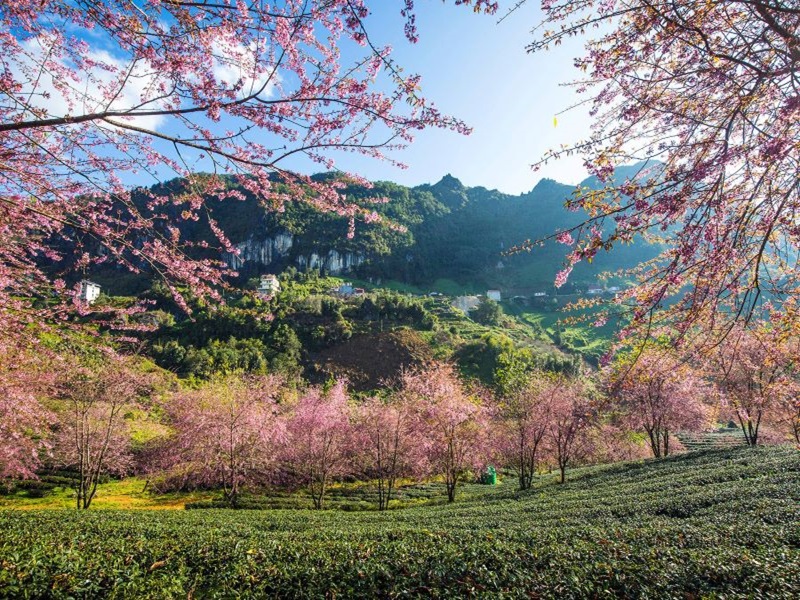
North Vietnam’s weather during Spring
The North Vietnam’s weather in Spring lasts from March to April, with mild and pleasant weather, and temperatures ranging from 15°C to 25°C. This season is famous for blooming flowers and lush landscapes, making it an ideal time to visit cities like Hanoi or go trekking in Sapa. In the first month of spring, February can still be relatively cold, with an average temperature around 20–22°C, which can drop to 14°C at night.
However, as March and April come, the weather gradually warms up, with average temperatures reaching around 24°C, signaling the upcoming hot and rainy summer months.
Weather in Northern Vietnam during Summer
From May to August, North Vietnam’s weather experiences summer with hot and humid weather, moderate humidity around 75%, and average temperatures ranging from 28°C to 38°C. Rainfall is frequent due to the monsoon season, especially in July and August. While the weather is hot during summer, destinations like Ha Long Bay and Cat Ba Island remain popular due to the cool sea breeze and water activities.

North Vietnam weather during Autumn
Autumn typically starts in September and lasts until November, offering cool and comfortable weather with temperatures ranging from 20°C to 28°C. The sky is clear, making it a perfect time to admire the rice fields in Sapa, explore Hanoi Old Quarter, or take a cruise on Ha Long Bay. The golden rice fields in northern provinces like Tam Coc Ninh Binh create a stunning landscape. Autumn is one of the best times to visit Northern Vietnam.

Weather in Northern Vietnam during Winter
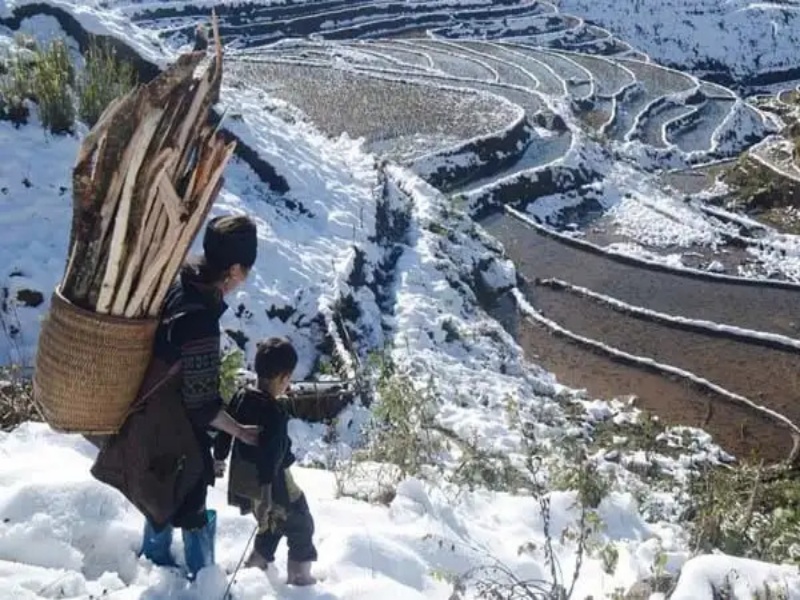
Winter lasts from December to January, with temperatures often quite cold, especially in mountainous areas like Sapa, where temperatures can drop to 0°C. In Hanoi, temperatures range from 10°C to 15°C. The winter in North Vietnam’s weather is a great time to experience winter festivals and traditional local cuisine. Destinations like Sapa and Mau Son mountain may see frost and snow, creating a rare and enchanting landscape.
Things to keep in mind when traveling to Northern Vietnam by Season
- Spring: Bring a light jacket and non-slip shoes for easy walking.
- Summer: Pack sunscreen, a hat, and water to stay hydrated and protect yourself from the sun.
- Autumn: Ideal for strolling and photography, so prepare suitable clothing for comfort and style.
- Winter: Bring warm clothes, gloves, and scarves to stay warm in the cold temperatures.
The North Vietnam’s weather changes distinctly with each season, and each season has its own unique charm. Whether you’re exploring ancient temples in Hanoi, trekking in Sapa, or cruising through Ha Long Bay, choosing the right season will enhance your experience. We hope this article provides useful information about the weather in Northern Vietnam, helping you prepare well for your journey!