Introduction
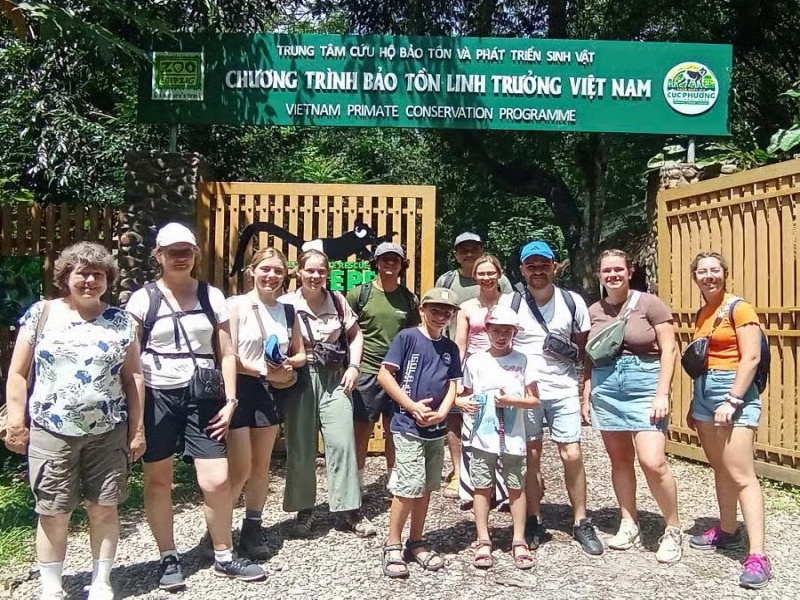
Located deep inside Cuc Phuong National Park, the Endangered Primate Rescue Center Ninh Binh (EPRC) is one of Vietnam’s most important wildlife conservation facilities. Founded in 1993 in cooperation with the Frankfurt Zoological Society, the center was established to rescue, rehabilitate, and protect rare primates threatened by illegal wildlife trade and habitat loss.
Unlike a zoo or tourist attraction, the Endangered Primate Rescue Center functions as a sanctuary. Here, langurs, gibbons, and lorises are given a second chance at life, with the long-term goal of returning them to protected natural habitats whenever possible.
Visiting the Primate Rescue Center is not simply about seeing animals — it is an opportunity to understand Vietnam’s biodiversity, conservation challenges, and the vital role Cuc Phuong National Park plays in protecting endangered species.
What Is the Endangered Primate Rescue Center?
The Endangered Primate Rescue Center in Ninh Binh was created to address the alarming decline of Vietnam’s native primate populations. Many animals housed here were rescued from illegal captivity, wildlife trafficking, or deforested areas where survival was no longer possible.
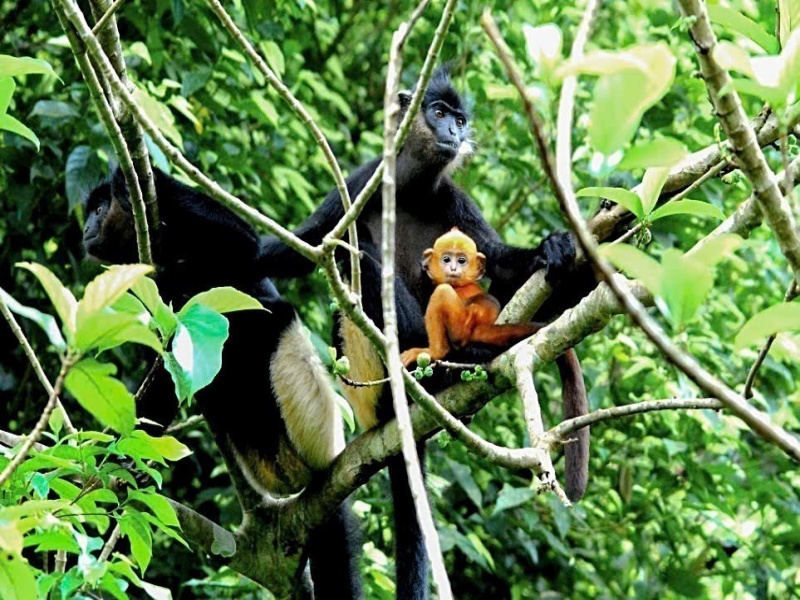
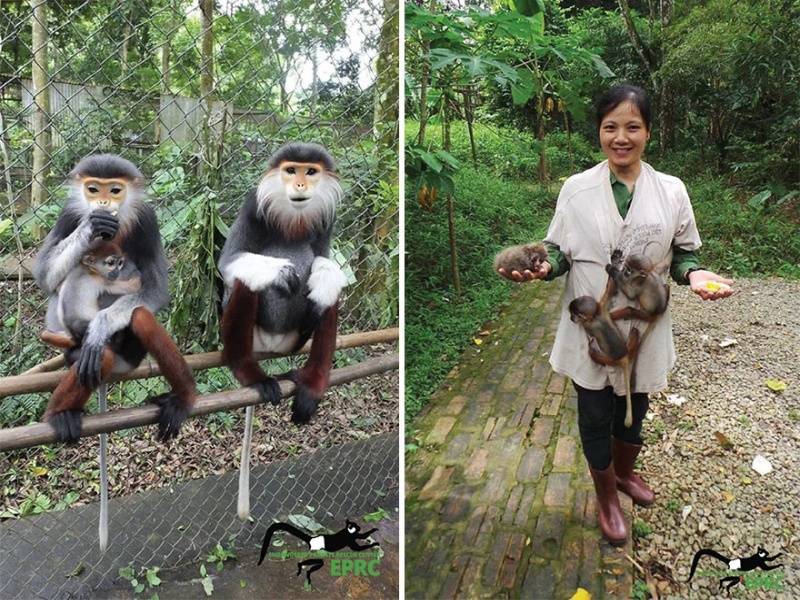
Today, the center cares for more than 150 individual primates representing over 15 species. Among them is the critically endangered Delacour’s Langur, one of the rarest primates in the world and a species closely associated with northern Vietnam’s limestone landscapes.
The center operates under strict conservation principles. Animals are kept in semi-wild enclosures designed to minimize human interaction and support natural behaviors, ensuring that rehabilitation and long-term survival remain the priority.
Why the Primate Rescue Center Matters for Vietnam’s Wildlife
Vietnam is considered a global biodiversity hotspot, yet it also faces one of the highest rates of wildlife exploitation in Southeast Asia. The Endangered Primate Rescue Center plays a critical role in reversing this trend.
Critically Endangered Species Protected Here
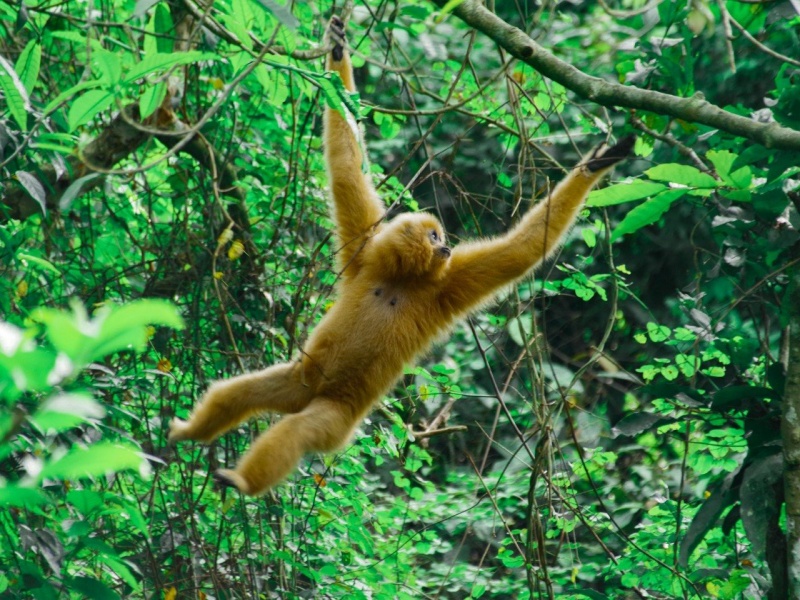
Several species protected at the center are classified as Critically Endangered or Endangered on the IUCN Red List. These include Delacour’s Langur, Hatinh Langur, Black Gibbon, and pygmy slow loris. Many of these primates exist in extremely small populations in the wild, making conservation efforts urgent and essential.

Rescue, Rehabilitation, and Release Programs
The work of the center extends far beyond animal care. Rescued primates undergo medical treatment, behavioral rehabilitation, and long-term monitoring. When conditions allow, suitable individuals are reintroduced into protected areas under carefully supervised release programs. This process contributes directly to restoring wild populations and preserving genetic diversity.
Highlights of the Endangered Primate Rescue Center Vietnam
Meet Rare Langurs & Gibbons
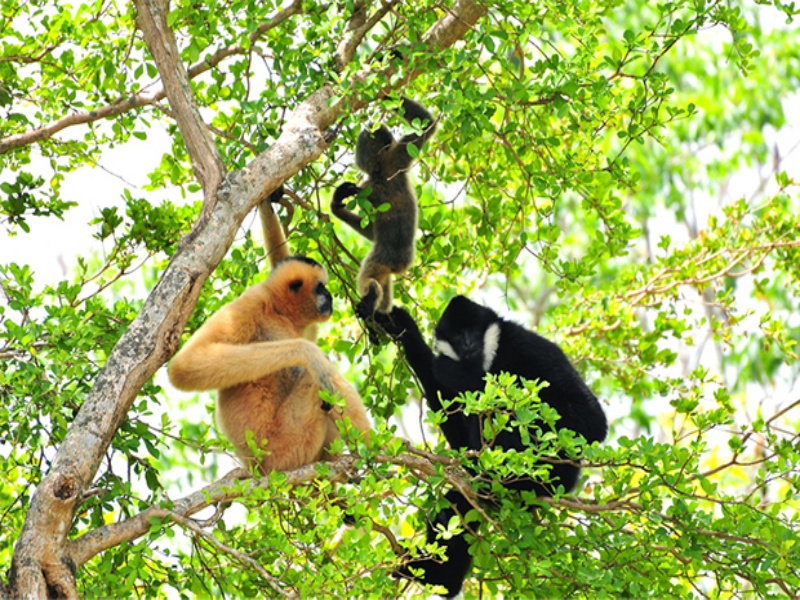
- One of the most unforgettable moments is watching the Delacour’s Langur, with its distinctive white sideburns, leap between cliffs. The center also shelters Black Gibbons, famous for their haunting calls that echo across the forest.
Conservation Stories & Guided Tours
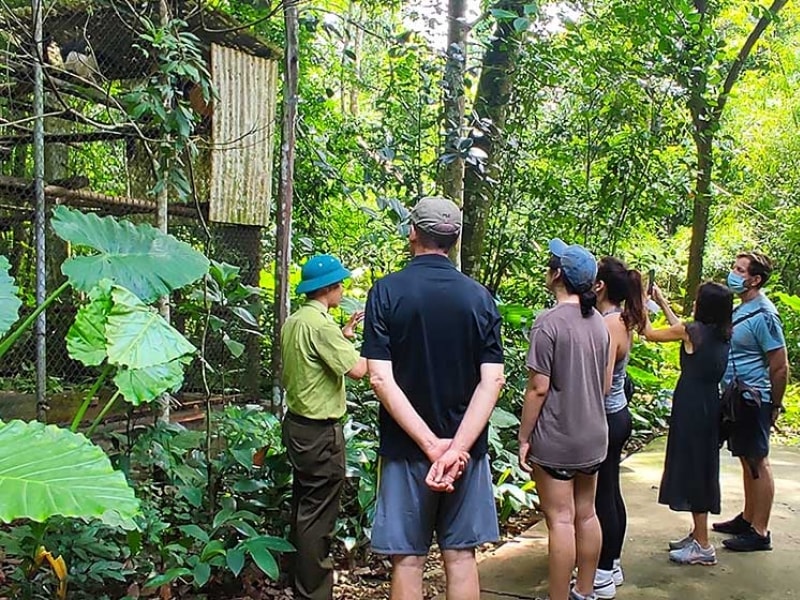
- Knowledgeable staff and volunteers share heartwarming stories of how primates were rescued, rehabilitated, and prepared for release. It’s a powerful reminder of the fight against illegal wildlife trade.
Supporting Wildlife Protection in Vietnam
- Every visit contributes to conservation efforts. By coming here, you’re not only a tourist—you’re part of the mission to preserve Vietnam’s biodiversity.
Opening Hours and Visitor Guidelines
The center is open daily from 8:00 AM to 5:00 PM. Morning visits are recommended, as primates tend to be more active during cooler hours. Quiet behavior, respectful distance, and photography without flash are essential to minimize stress on the animals.
Entrance Policy
Admission to the Primate Rescue Center is included within the Cuc Phuong National Park entrance ticket. No separate ticket is required for standard visits, reinforcing the center’s role as an integral part of the national park’s conservation mission.
- Adults: 60,000 VND (~2.5 USD)
- Children: 20,000 VND (~1 USD)
How the Primate Rescue Center Fits into Cuc Phuong National Park
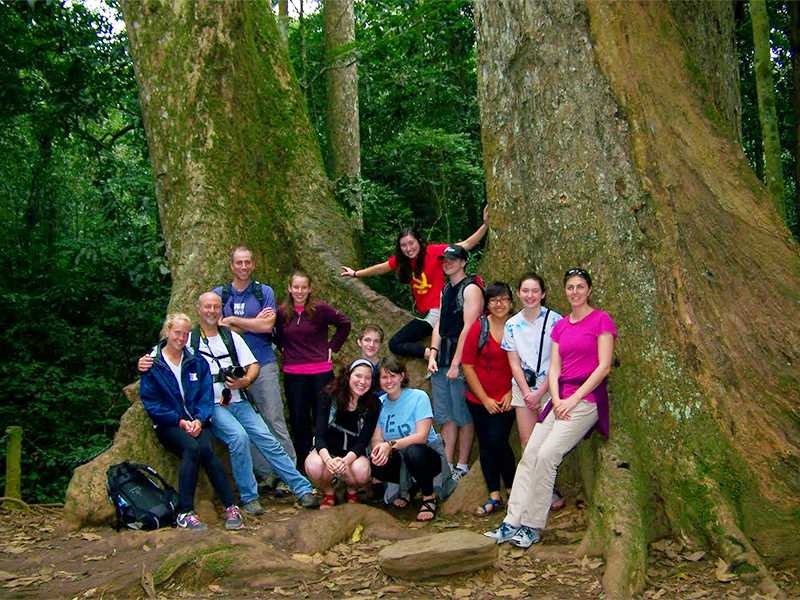
The Endangered Primate Rescue Center is one of Cuc Phuong National Park’s most important conservation highlights. Alongside ancient forest trails, prehistoric caves, and biodiversity research programs, the center showcases the park’s commitment to protecting Vietnam’s natural heritage.
 For a broader understanding of Cuc Phuong’s ecosystems, trekking routes, and wildlife diversity, see our main guide: Cuc Phuong National Park Travel Guide – Vietnam’s First National Park.
Best time to visit the Rescue Center
The center is open all year, but the experience is even more magical when combined with Butterfly Season (April–May) in Cuc Phuong, when millions of butterflies fill the forest.
🌤️ Dry Season (Nov–May): Best for trekking and wildlife watching.
🌧️ Rainy Season (Sep–Oct): Trails may be muddy; pack accordingly.
For a full seasonal guide, see our Best time to visit Ninh Binh

FAQs About the Endangered Primate Rescue Center Ninh Binh
Is the Endangered Primate Rescue Center suitable for families?
- Yes. The center is educational and accessible, making it suitable for families and visitors interested in learning about wildlife conservation.
How much time should I spend at the Primate Rescue Center?
- Most visitors spend 45 minutes to 1 hour exploring the center at a relaxed pace.
Is the Primate Rescue Center a zoo?
- No. It is a conservation and rehabilitation facility focused on protecting endangered primates, not entertainment.
Do visits support conservation efforts?
- Yes. Entrance fees and public awareness directly contribute to wildlife protection and rescue programs within Cuc Phuong National Park.
Conclusion
The Endangered Primate Rescue Center Ninh Binh stands as a powerful example of conservation in action. By protecting some of Vietnam’s rarest primates and educating visitors about the challenges they face, the center strengthens Cuc Phuong National Park’s role as a national leader in biodiversity protection.
For travelers seeking a deeper, more meaningful experience inside Cuc Phuong, the Primate Rescue Center is not just a stop — it is a reminder of why preserving nature matters.
Ready to plan your trip? Check: Ninh Binh Itineraries & Top best things to do in Ninh Binh.