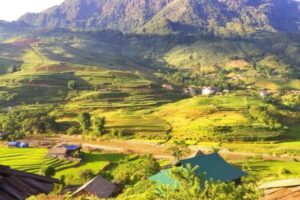
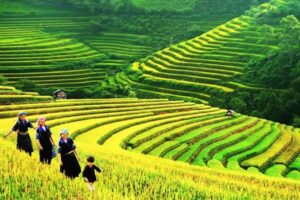
Sapa weather in February marks the quiet transition between winter and early spring in northern Vietnam’s mountains. Temperatures usually range from 7°C to 18°C, bringing cool mornings, misty valleys, and comfortable afternoons for exploring.
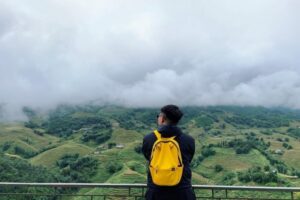
Because Sapa sits high in the Hoang Lien Son mountains, weather conditions can shift quickly during the day. While fog still drifts across places like Muong Hoa Valley, peach and plum blossoms begin appearing — signaling the arrival of spring.
For travelers wondering whether February is a good time to visit, this guide explains the weather, scenery, and best things to do during February.
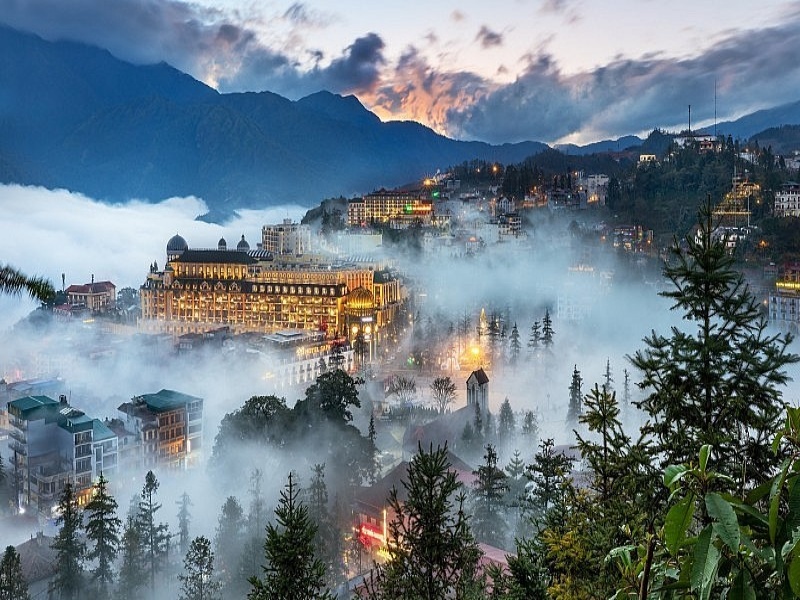
Is February a Good Time to Visit Sapa?
Yes — February can be a very rewarding time to visit Sapa if you enjoy cool mountain weather, blossom landscapes, and authentic cultural experiences.
The region is still influenced by winter conditions, but the climate begins to soften. Days are usually mild, while mornings and evenings remain cool. Compared with January, visibility improves slightly and the mountains start showing the first signs of spring.
Travelers often appreciate February for several reasons:
- Blooming peach and plum trees across mountain villages
- Fewer tourists than peak travel months
- Cultural festivals following the Lunar New Year
- Comfortable daytime temperatures for exploration
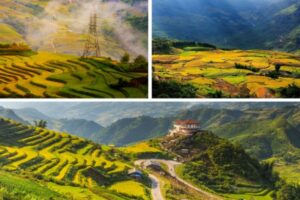
However, if your goal is to see lush green rice terraces, that scenery usually appears later in the year.
 For a full comparison of weather throughout the year, you can explore our detailed Best Time to Visit Sapa guide.
Sapa Weather in February (Quick Overview)
The weather in Sapa in February is cool, misty, and gradually becoming milder as winter transitions into early spring.
Average conditions include:
- Temperature: 8–18°C
- Mornings: chilly and often foggy
- Afternoons: cool and comfortable
- Rainfall: light drizzle or mist possible
- Humidity: moderate to high
While February can still feel cold compared to the rest of Vietnam, the weather is generally less harsh than January. The misty mountain atmosphere combined with blooming trees creates a scenic and peaceful environment for travelers who enjoy cool climates.
For a full seasonal overview, you can compare months in our Sapa weather by month guide.
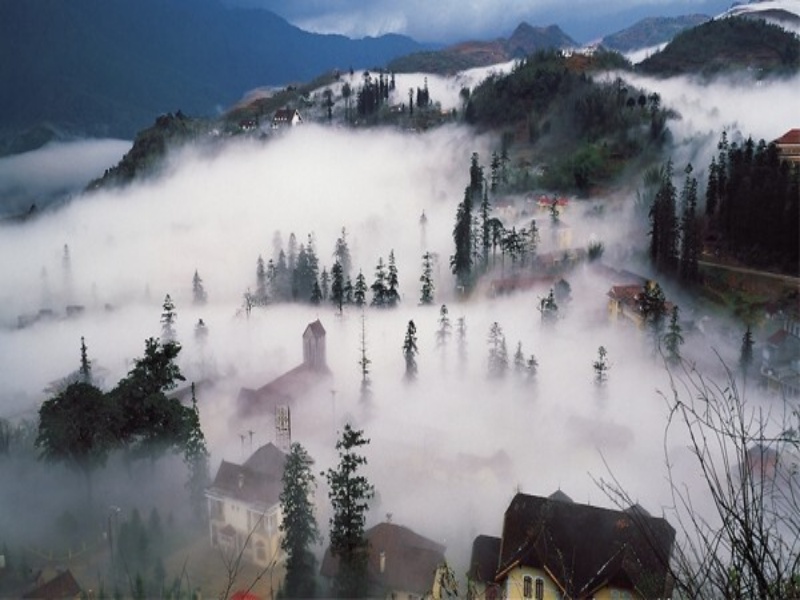
Temperature in Sapa in February
The average temperature in Sapa in February typically ranges from 7°C to 18°C.
Although these numbers may not seem extremely cold, the mountain humidity can make the air feel cooler than expected.
Typical daily conditions often look like this:
- Morning: 7–10°C with fog or mist drifting through the valleys
- Afternoon: 14–18°C with occasional sunshine and clearer skies
- Night: 6–9°C with cool mountain air
This temperature range is one reason many travelers consider February a comfortable month for exploring the region without the intense summer heat.
Rainfall and Humidity
February marks the beginning of the spring drizzle season in Northern Vietnam.
Instead of heavy rainfall, visitors may experience:
- Light drizzle
- Cloudy skies
- Intermittent mist
Humidity remains relatively high in the mountains, which contributes to the dreamy atmosphere often seen across Muong Hoa Valley.
Photographers often appreciate this time of year because fog and soft light create dramatic scenery across the terraces and mountain ridges.
If you want to see the rice terraces at their most vibrant, our guide to Best Time to Visit Sapa’s Rice Fields explains when the landscape turns bright green or golden.
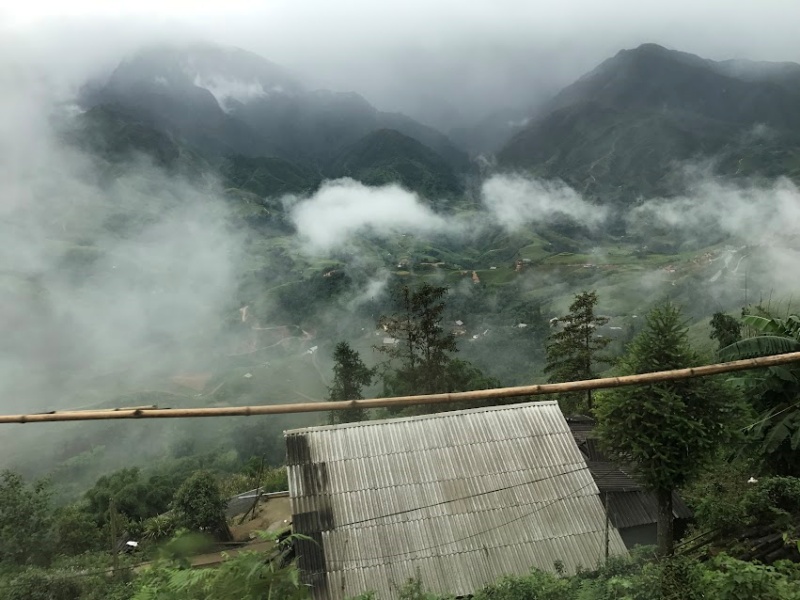
Blossom Season in Sapa
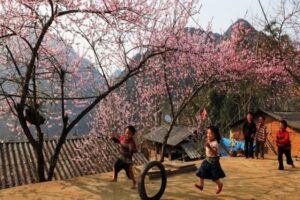
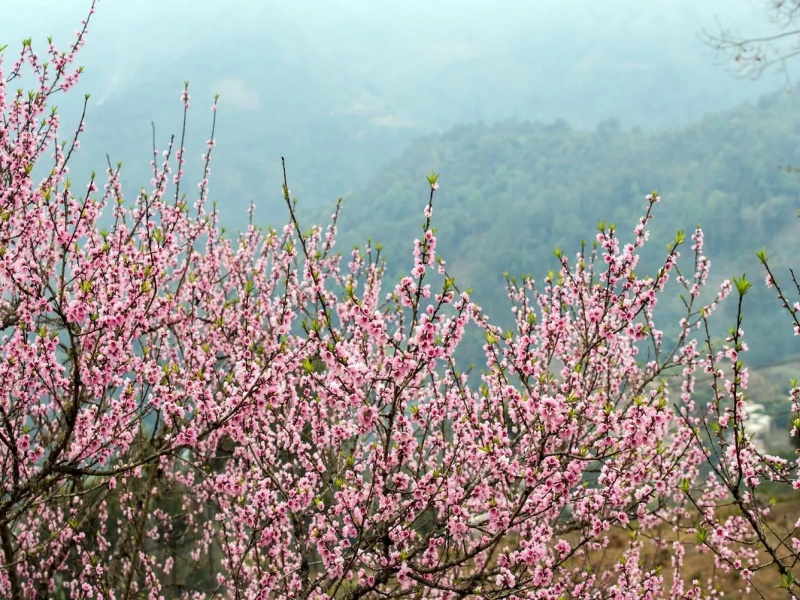
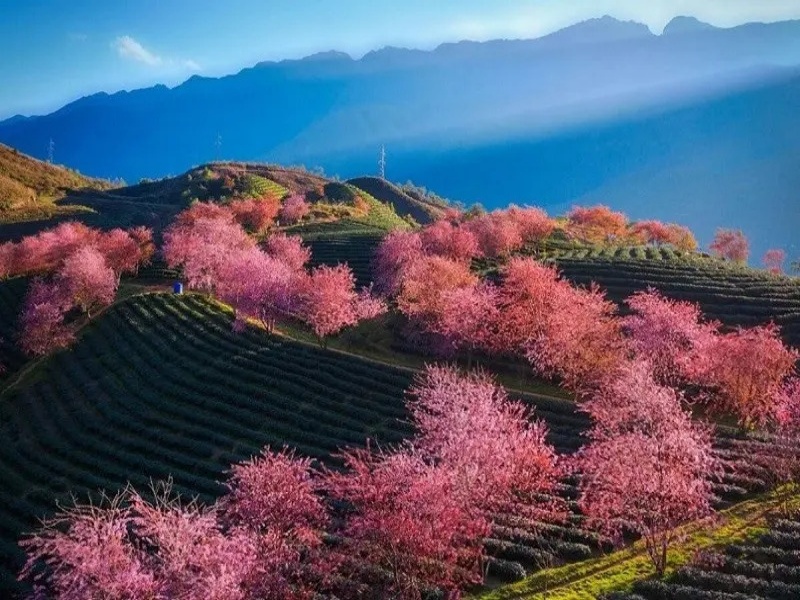
One of the most beautiful aspects of visiting Sapa in February is the blossom season.
As temperatures slowly rise after winter, many trees across the mountains begin to bloom, adding color to the landscape.
Common blossoms you may see include:
- Peach blossoms – soft pink flowers along village roads
- Plum blossoms – white blooms covering orchards and hillsides
- Wild pear flowers – delicate blossoms scattered through the valleys
These flowers often appear against misty mountain backdrops, creating one of the most photogenic periods of the year.
Some of the best places to see blossoms include:
- Ta Van Village – blossom trees scattered among traditional homes
- Lao Chai Village – beautiful hillside views with blooming orchards
- Cat Cat Village – blossom trees along walking paths and village entrances
- Mountain roads approaching O Quy Ho Pass
Because blossom timing can vary depending on weather conditions, the exact peak may shift slightly from year to year.
Still, February generally offers one of the best chances to see this early spring transformation.
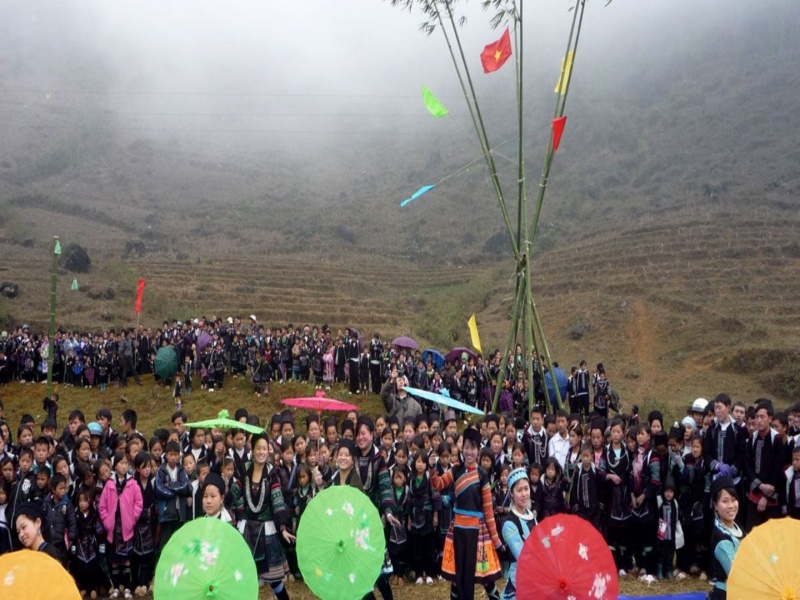
Cultural Festivals After Lunar New Year
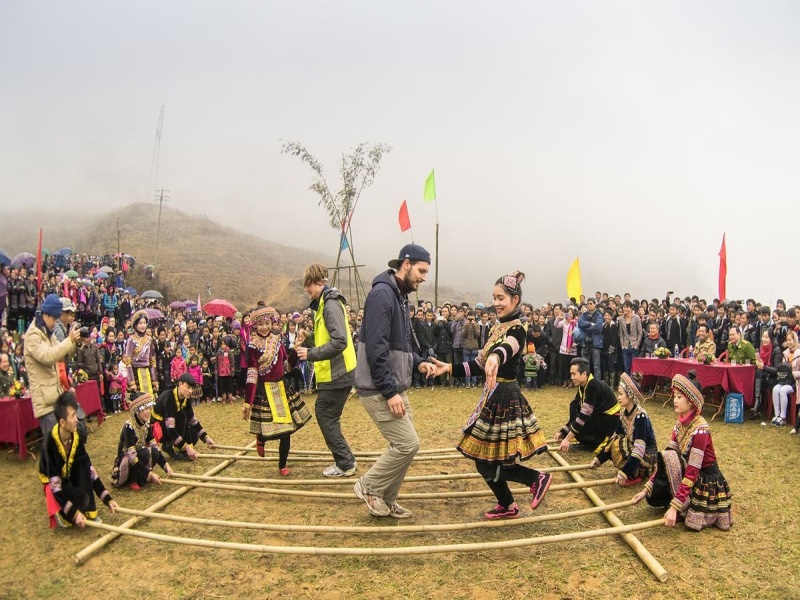
February is also a lively cultural period in the Sapa region. Many ethnic minority communities celebrate traditional festivals following the Tết holiday.
These celebrations often include:
- Traditional music and dance
- Colorful ethnic clothing
- Local games and competitions
- Village gatherings and ceremonies
The region is home to several ethnic groups, including the Hmong, Dao, and Tay communities. Visiting during this time offers a rare opportunity to experience traditional culture in the mountain villages.
Best Things to Do in Sapa in February
Even though February is still part of the cool season, Sapa offers several unique experiences during this time of year. Mist drifts through the valleys in the early morning, blossom trees begin appearing across the hills, and the villages surrounding Sapa feel quieter than during peak tourist months.
Here are a few experiences that make February a rewarding time to explore the region.
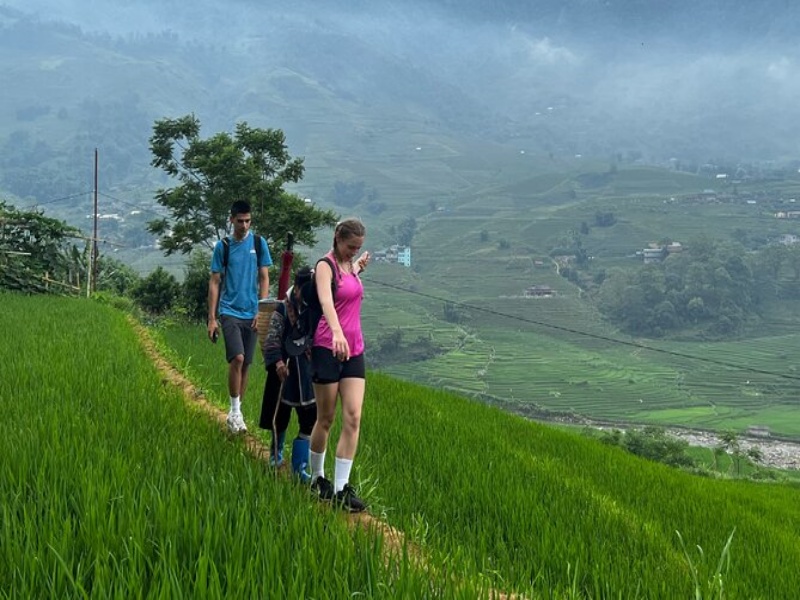
Trek Through Muong Hoa Valley
Trekking through Muong Hoa Valley is one of the best ways to experience Sapa’s mountain landscapes. The valley connects villages such as Y Linh Ho, Lao Chai, and Ta Van, where terraced hills stretch across the slopes of the Hoang Lien Son Mountains.
In February, the weather is cool and comfortable for walking. Morning mist often moves slowly through the valley, revealing layers of terraces and villages as the day warms up.
For route ideas and difficulty levels, explore our Sapa trekking guide.
Visit Fansipan – The Roof of Indochina
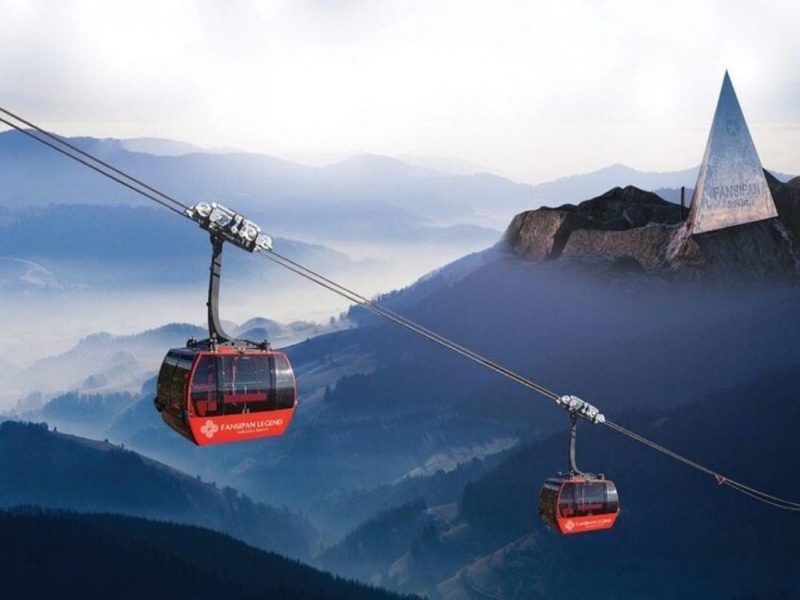
At 3,143 meters, Fansipan mountain is the highest mountain in Vietnam and a highlight of any trip to Sapa. During February, the summit often sits above drifting clouds, creating dramatic views of the surrounding mountains.
Most visitors reach the top using the Fansipan cable car, which glides over deep valleys and forested ridges before arriving near the summit temples and viewpoints.
Admire Peach and Plum Blossoms
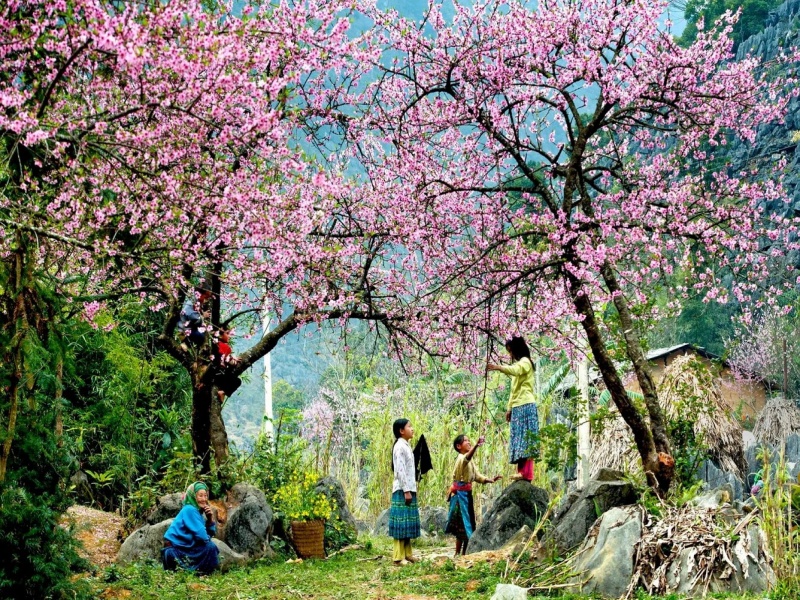
February marks the beginning of peach and plum blossom season in Sapa. Soft pink and white flowers begin blooming across the hillsides, adding delicate colors to the misty mountain scenery.
Some of the best places to see these blossoms include Ta Van, Lao Chai, and Cat Cat Village, where flowering trees often grow beside homes and along village paths.
Explore Ethnic Villages Around Sapa
The villages surrounding Sapa offer a glimpse into the traditional lifestyles of ethnic communities such as the Hmong, Dao, and Giay people.
Walking through villages like Cat Cat, Lao Chai, and Ta Van allows travelers to see terraced fields, wooden houses, and daily life in the mountains. February’s quieter travel season also makes these villages feel more peaceful than during the busy autumn harvest months.
Visit Local Ethnic Markets
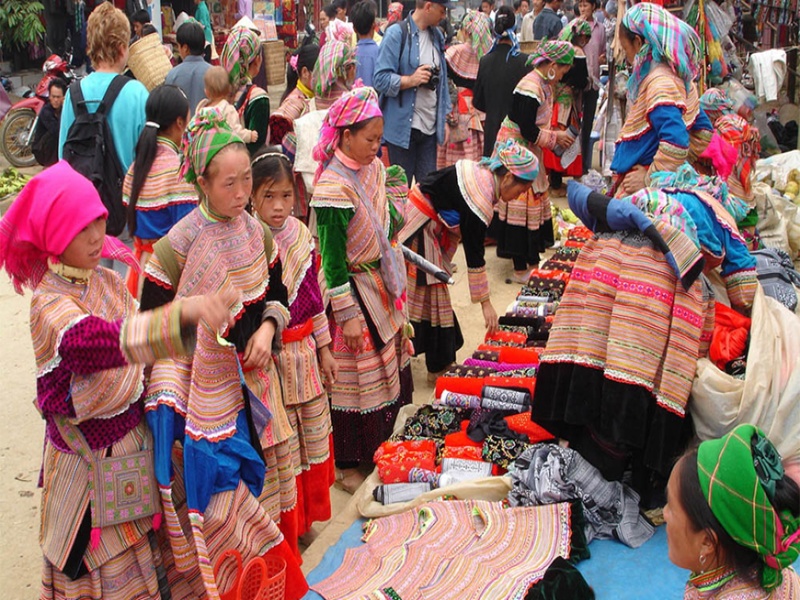
Local markets are an important part of life in northern Vietnam’s mountain regions. Here, people from surrounding villages gather to trade goods, buy supplies, and socialize.
One of the most famous markets near Sapa is Bac Ha Market, held every Sunday. Known for its colorful traditional clothing and lively atmosphere, it offers a fascinating look into the cultural diversity of the region.
Enjoy Sapa’s Cafes
Cold mountain mornings are perfect for relaxing in Sapa’s many cafes. Warm drinks and panoramic windows overlooking misty valleys create a cozy atmosphere.
For more travel ideas throughout the year, explore our complete guide to things to do in Sapa.
Is Trekking Good in February?
Yes — trekking in Sapa during February can be enjoyable, particularly for shorter or moderate routes.
Advantages include:
- Comfortable daytime temperatures
- Fewer tourists on trails
- Beautiful blossom scenery
However, hikers should still expect:
- Occasional muddy paths after drizzle
- Fog reducing long-distance visibility on some days
Planning flexible trekking routes helps ensure the best experience.
What to Wear in Sapa in February
Packing properly is important for staying comfortable in Sapa’s cool mountain climate.
Recommended clothing includes:
- Warm jacket or insulated coat
- Sweaters or thermal layers
- Long pants or hiking trousers
- Comfortable waterproof shoes
- Light rain jacket or poncho
Layered clothing works best because temperatures can change significantly between morning and afternoon.
If you’re planning village treks, waterproof footwear is especially useful for damp trails.
Pros and Cons of Visiting Sapa in February
Pros
- Beautiful peach and plum blossoms
- Cultural festivals after Lunar New Year
- Quieter trekking routes
- Mild daytime temperatures
Cons
- Rice terraces are not yet green
- Occasional fog may limit mountain views
- Some trails may be muddy after drizzle
For travelers who enjoy atmospheric landscapes and local culture, February can be a very rewarding month.
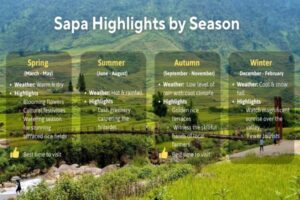
Sapa in February Compared with Other Months
Every season reveals a different side of the region.
- September–October: famous golden rice terraces
- March–April: warmer weather and greener landscapes
- December–January: the coldest months with misty mountain scenery
February sits right between winter and spring, offering blossoms, festivals, and a quieter travel atmosphere.
If you’re planning a longer trip, our recommended Sapa itinerary can help you organize your visit.
Travel Tips for Visiting Sapa in February
A few practical tips can make your trip smoother:
- Book accommodation early during the Lunar New Year period
- Start trekking after the morning fog begins lifting
- Pack waterproof clothing for light drizzle
- Allow flexible travel plans due to changing mountain weather
Many travelers also choose to join local Sapa tours to explore villages and cultural sites more easily.
Final Thoughts: Is February Worth Visiting?
Although February does not showcase the lush rice terraces that Sapa is famous for, it offers a completely different experience.
The mountains feel peaceful, blossom trees brighten the valleys, and traditional festivals add cultural depth to the journey.
For travelers interested in authentic mountain life, early spring scenery, and quieter trekking routes, visiting Sapa in February can be a truly memorable experience.
Frequently Asked Questions
How cold is Sapa in February?
- Temperatures usually range between 7°C and 18°C, with cooler mornings and evenings.
Are there blossoms in Sapa in February?
- Yes. Peach and plum blossoms typically bloom across villages and valleys during February.
Is February good for trekking in Sapa?
- Yes. The cooler temperatures make trekking comfortable, though some trails may be muddy after drizzle.
Are the rice terraces green in February?
- No. The planting season usually begins later in spring, so terraces are mostly brown or lightly green during this time.
Is Sapa foggy in February?
- Yes. Fog is common in Sapa during February, especially in the early morning when mist settles across valleys like Muong Hoa. The fog usually lifts later in the day, revealing mountain views and terraced hills.