Introduction
Sapa’s terraced landscapes are among the most breathtaking mountain scenes in Northern Vietnam. Depending on when you arrive, the valleys can look like giant mirrors reflecting the sky, endless green waves rolling across hills, or golden layers glowing under autumn sunlight.
If you are planning your trip and wondering about the best time to visit Sapa, understanding the rice cycle will help you choose the perfect season.
The best time to visit Sapa rice fields depends entirely on what kind of scenery you want to experience.
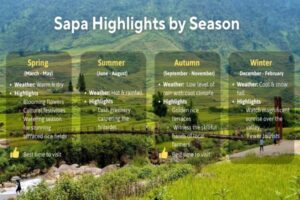
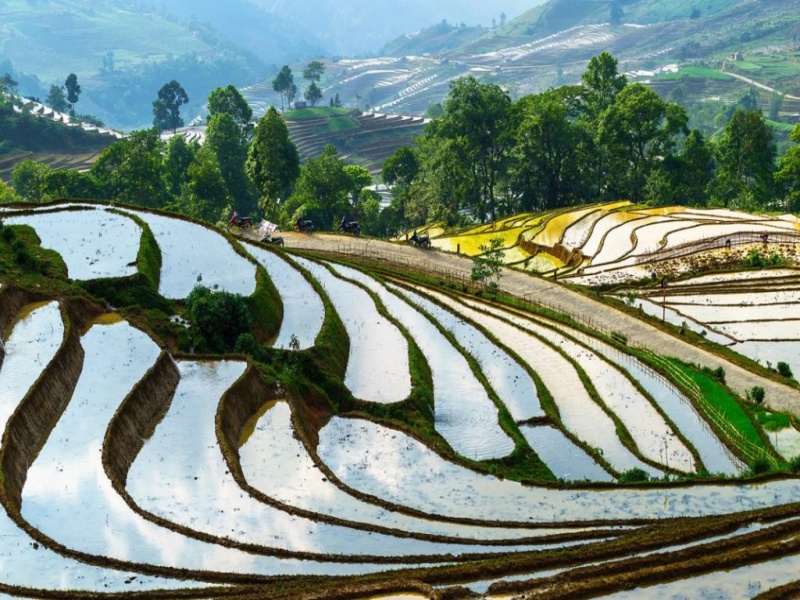
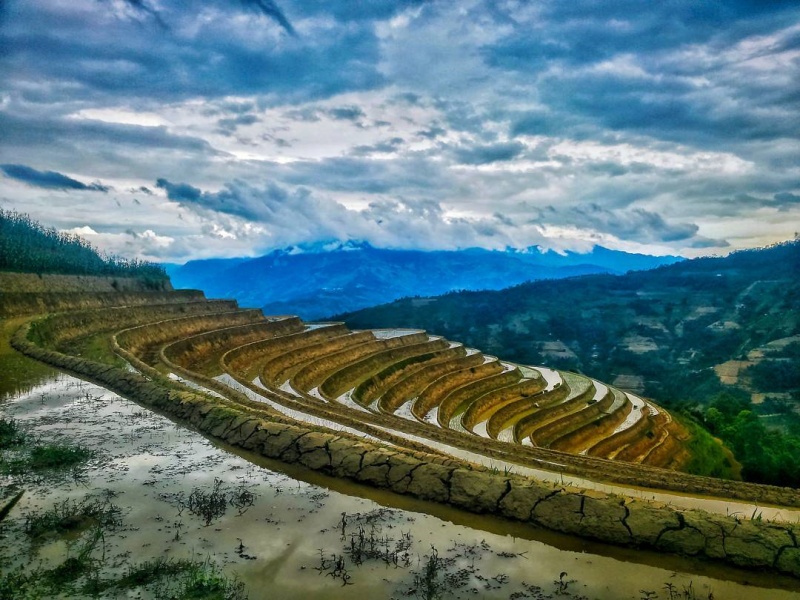
Late May to June: The Mirror Season
At the beginning of summer, farmers flood the terraces in preparation for planting. During this short window, the rice fields transform into reflective pools that capture clouds and mountain silhouettes.
This is one of the most photogenic periods for travelers who want something different from the typical golden harvest scenes. If photography is part of your travel plan, you may also want to explore more things to do in Sapa during early summer when the weather is still pleasant for outdoor activities.
July to August: Vibrant Green Terraces
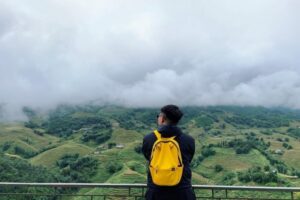
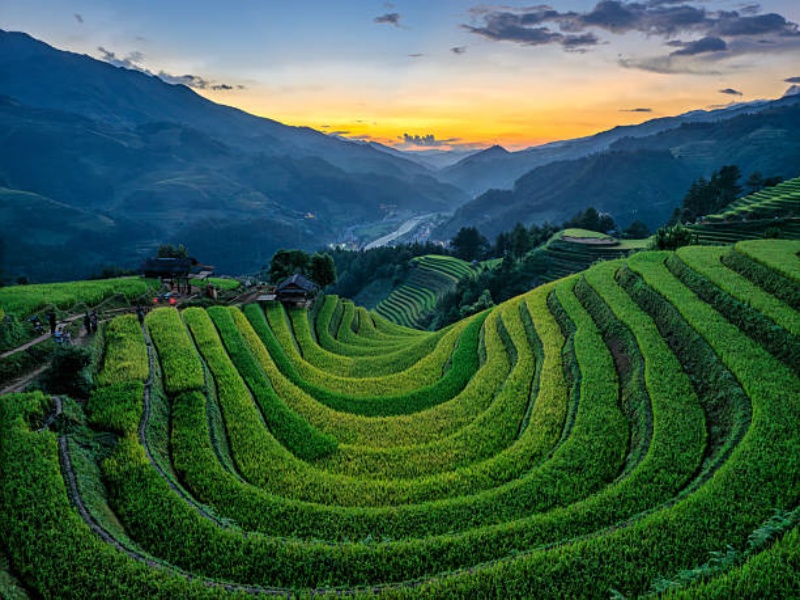
As the rice matures, the entire valley turns into soft layers of green. Morning mist drifts slowly between mountain ridges, creating a dreamy atmosphere.
This is a wonderful time for Sapa trekking, especially through villages where you can observe daily farming life up close. The combination of lush scenery and cultural interaction makes summer ideal for immersive travel experiences.
If you are building a multi-day trip, consider adding these routes into your Sapa itinerary for a balanced mix of nature and village exploration.
September to Early October: The Golden Harvest Season
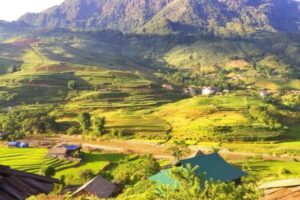
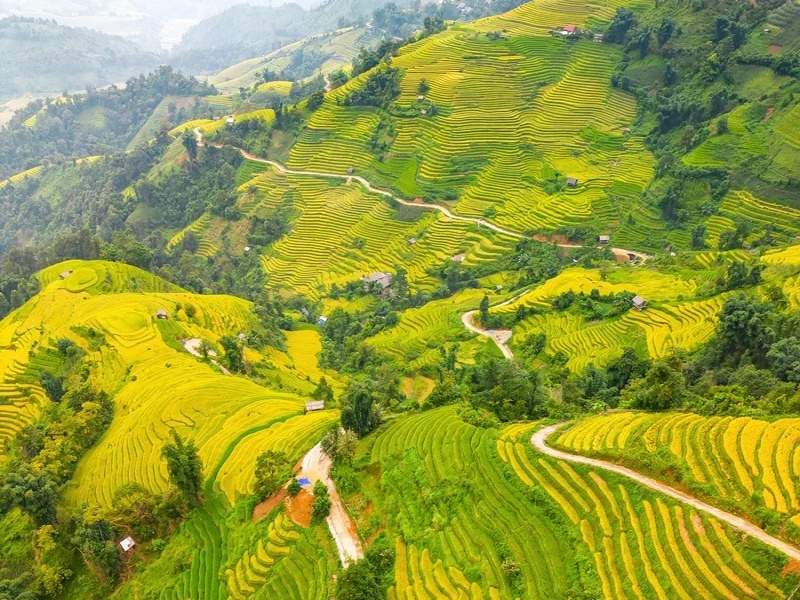
For many travelers, this is the most iconic period to see Sapa rice fields at their peak beauty.
The terraces shift into brilliant gold, glowing warmly under clear autumn skies. Trails become drier and easier to navigate, making this season perfect for longer hikes and scenic photography.
Because it is peak season, booking your accommodation and guided Sapa tours in advance is highly recommended.
November to April: Quiet and Misty Mountains
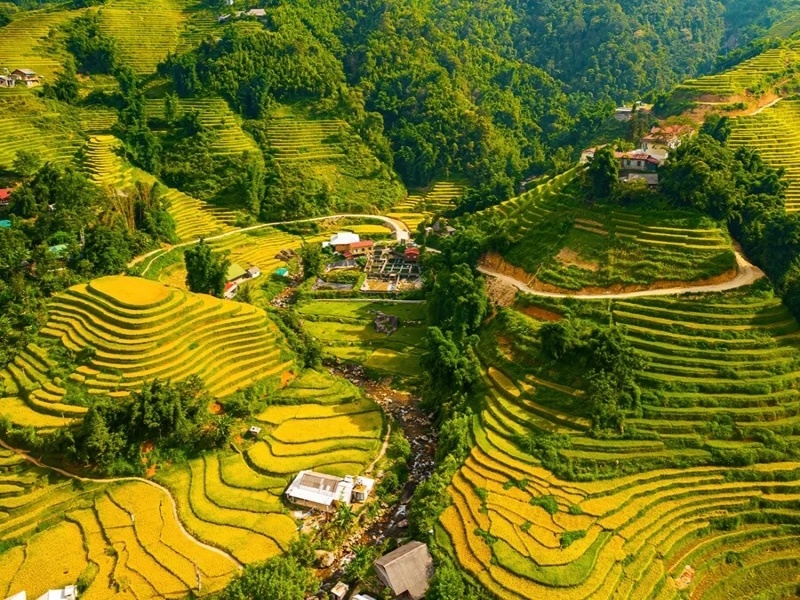
After harvest, the fields rest and temperatures cool significantly. While you will not see vibrant rice colors, the peaceful atmosphere offers a different kind of mountain charm.
Travelers who prefer fewer crowds may still enjoy this period, especially when combining it with cultural activities and local village stays included in many customized Sapa tours.
Top 12 Best Places to See Sapa Rice Fields at Their Most Beautiful
When travelers search for the best time to visit Sapa rice fields, they often imagine color — golden, green, or silver reflections after rain. But color alone does not create the magic. The place where you stand changes everything.
In Sapa, each valley tells the same story in a different voice. Some whisper gently through morning mist. Others unfold dramatically beneath mountain passes. Let me take you through the places where the rice terraces feel most alive.
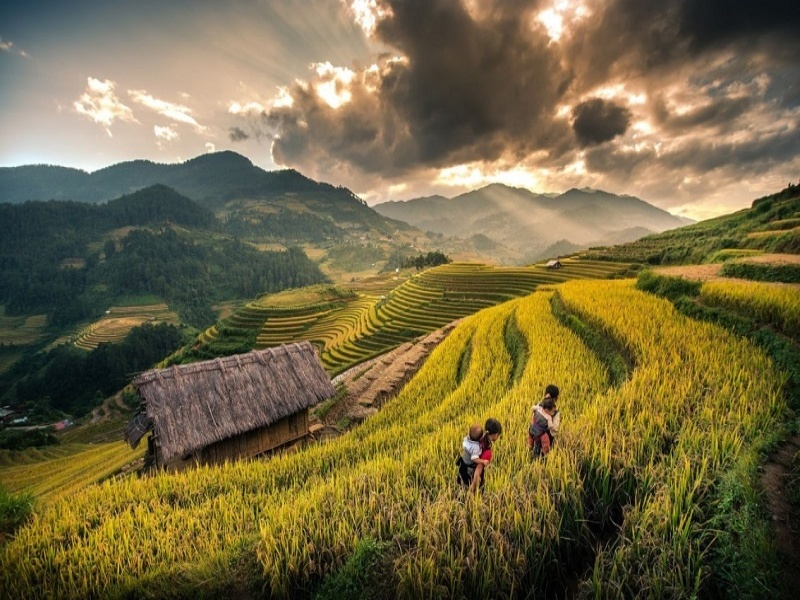
Muong Hoa Valley – Where the Terraces Breathe with the Mountains
The first time you walk into Muong Hoa Valley, you don’t immediately see everything. The terraces reveal themselves slowly.
They curve around the hillsides like waves frozen in motion. In September, those waves turn golden and shimmer under the afternoon sun.
In late May, they reflect the sky so perfectly that clouds appear to rest inside the fields.
Standing here at sunrise, with mist rising from the valley floor, you begin to understand why many travelers consider this the heart of Sapa’s rice landscape.
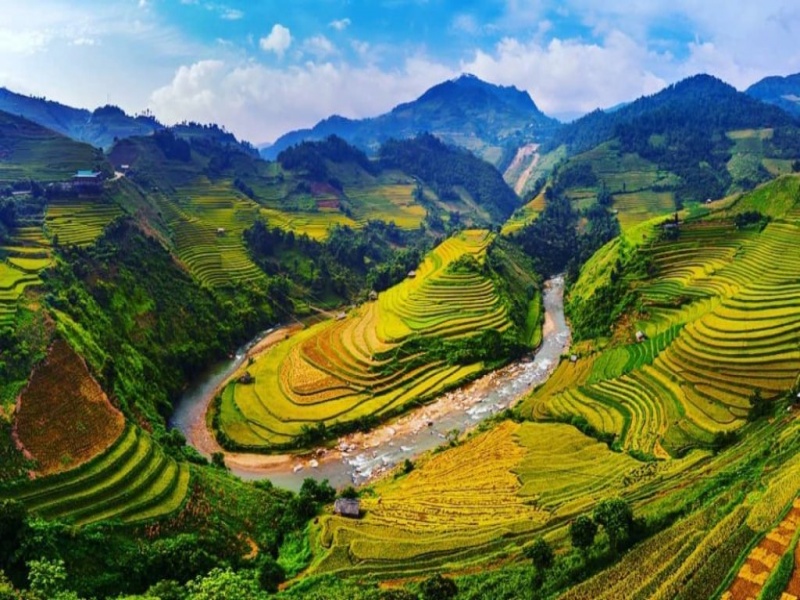
Cat Cat Village – Where Culture Meets Color
The path down to Cat Cat Village winds gently through terraced fields before reaching wooden houses of the H’Mong people.
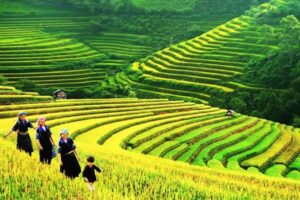
In early autumn, golden rice frames the village like a natural curtain. Children run along narrow ridges between paddies, and smoke rises from kitchen fires. The fields are not just scenery here — they are part of daily life.
Even in summer, when the rice is still green, the combination of culture and landscape creates a deeply human atmosphere.
Ta Van Village – Wide Valleys and Soft Light
Ta Van feels open and expansive. The terraces spread gently across the valley floor, surrounding stilt houses and quiet paths.
At dawn, a thin veil of mist often lingers just above the rice plants. As sunlight breaks through, the entire valley seems to glow from within.
For travelers who prefer longer walks without steep climbs, Ta Van village offers a peaceful way to immerse yourself in the rhythm of the fields.
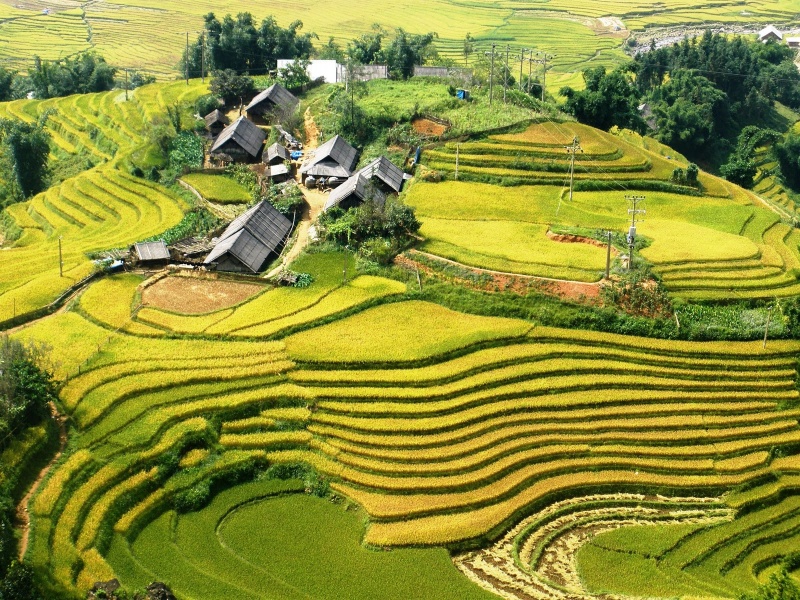
Lao Chai Village – Dramatic Slopes and Golden Waves
Lao Chai village presents a different mood. The terraces here fall more steeply, layering down the mountainside in bold, sweeping lines.
During harvest season, those lines turn into cascading ribbons of gold. Photographers often wait here in late afternoon when the sun angles low enough to emphasize every curve.
It is not just beautiful — it feels powerful.
Y Linh Ho Village – Early Gold and Quiet Corners
Y Linh Ho often turns golden slightly earlier than surrounding villages. By late August, hints of yellow begin to spread across the slopes.
Fewer tour groups reach this area, so the atmosphere remains calm. You may hear only wind brushing through rice plants and distant footsteps on narrow paths.
Here, the beauty feels intimate rather than grand.
O Quy Ho Pass – Looking Down from the Clouds
Most villages let you stand inside the terraces. O Quy Ho Pass lets you look down upon them.
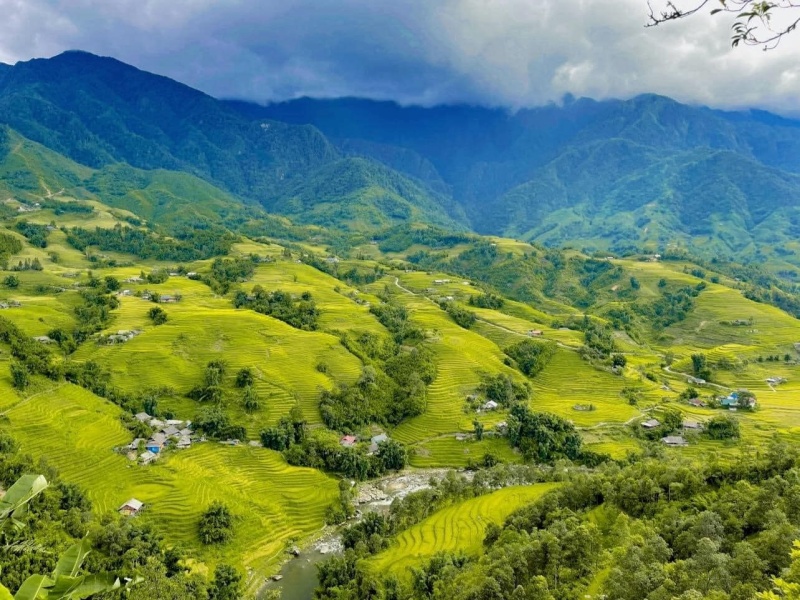
As you drive along the winding mountain road, sudden openings reveal entire valleys below. The rice fields appear like contour lines drawn by nature itself.
On clear days, layers of mountains stretch endlessly beyond the terraces, adding depth that makes the landscape feel almost cinematic.
Ta Phin Village – Fields Framed by Forest
Ta Phin village blends rice terraces with forested hills. The fields appear softer, surrounded by greenery rather than steep rock faces.
After exploring the terraces, visitors often relax with traditional herbal baths prepared by Red Dao families. Nature and culture merge seamlessly in this quiet valley.
Sin Chai Village – Hidden Among the Hills
Sin Chai hides quietly among rolling slopes. The rice fields weave between houses and narrow dirt paths.
Because it sees fewer visitors, daily life continues naturally. Farmers work without interruption. The terraces feel lived in, not staged.
From the Fansipan Cable Car – A Bird’s-Eye Revelation
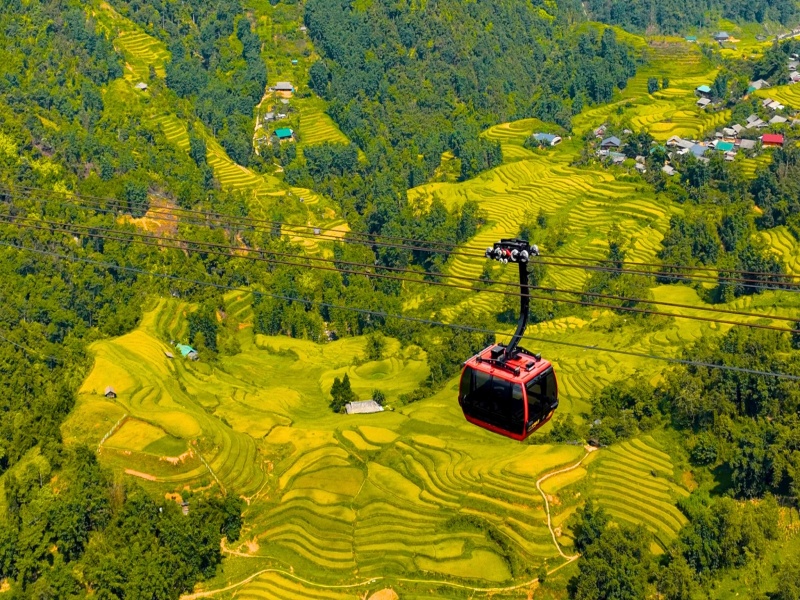
Rising above the valleys in the cable car offers a completely different perspective.
From above, the terraces look like giant brushstrokes painted across the mountains. You begin to see patterns — how water flows, how fields connect, how villages nestle into curves of land.
It reveals the scale of what you previously saw only in fragments.
Ban Ho Village – Rice Fields Beside the River
Ban Ho sits deeper in the valley, where terraces stretch along riverbanks.
The scenery feels calmer here. Instead of dramatic elevation changes, you find gentle curves and reflections in slow-moving water. It is an ideal setting for travelers who enjoy combining village life with landscape photography.
Infinity Garden – Where the Horizon Disappears
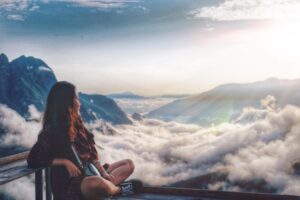
Infinity Garden feels less like a viewpoint and more like a balcony suspended over the world.
From here, the terraces seem endless. During harvest season, the hills glow amber as if painted in warm light. In the watering season, thin layers of water catch the sky and scatter it across the slopes.
If you wait quietly until sunset, you will notice how the colors shift minute by minute — green softens, gold deepens, and the mountains slowly fade into blue.
Seo My Ty – High Terraces and Untouched Views
Reaching Seo My Ty requires more effort, but the reward is space and silence.
The terraces here lie at higher elevations, opening wide views across mountain ranges. During harvest, the contrast between golden fields and dark green forests feels especially striking.
Few places in Sapa feel this untouched.
The Best Ways to Experience Sapa Rice Fields Beyond Just Looking
Knowing the best time to visit Sapa rice fields is important. However, how you experience them matters just as much.
Trekking Through the Valleys
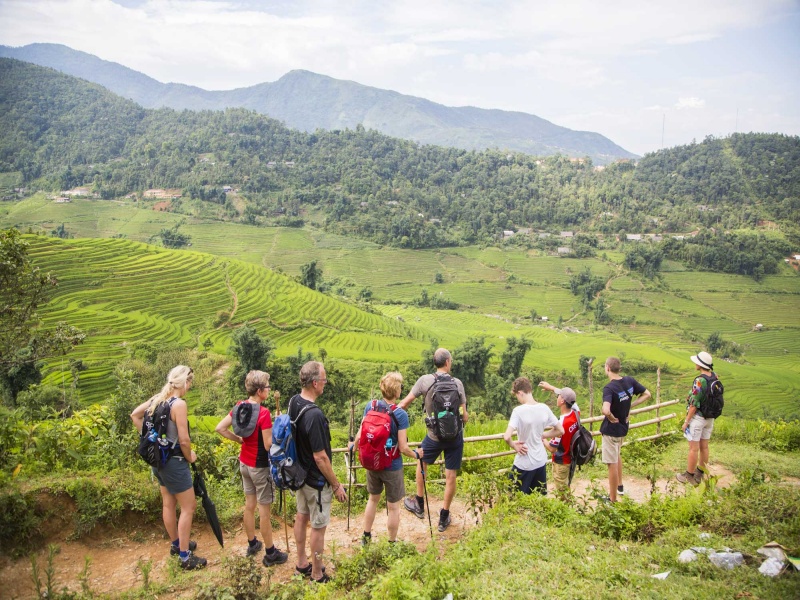
Trekking is one of the most popular ways to experience Sapa’s terraced rice fields. You can hike through villages such as Lao Chai, Ta Van, Cat Cat, and Y Ty to enjoy the majestic scenery. Along the way, you can meet the H’Mong, Red Dao, and Giay ethnic groups, learn about their local culture, and take beautiful photos in the scenic landscape.
Riding Through Mountain Roads
If you want a more free-spirited experience, rent a motorbike to explore the roads around Sapa. The winding mountain paths and terraced rice fields offer breathtaking panoramic views. Popular destinations to explore by motorbike include Muong Hoa Valley, Seo My Ty Village, and O Quy Ho Pass.
Paragliding for panoramic views from above
If you want a unique and different experience, paragliding over the rice fields of Sapa will give you a feeling of absolute freedom. From above, you can admire the entire spectacular scenery of terraced rice fields stretching between the majestic mountain ranges.
Staying in a Village Homestay
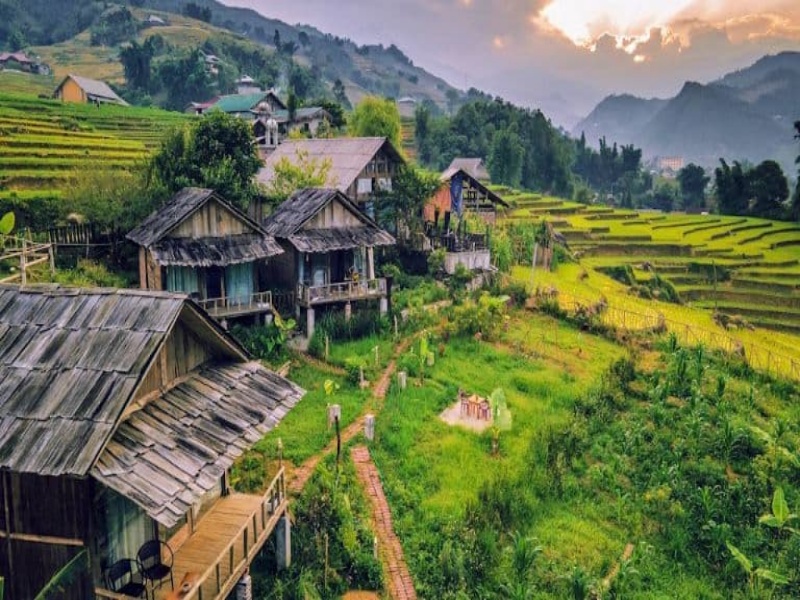
Spending a night in Ta Van or Ban Ho changes everything. At dawn, mist rolls slowly across the fields. The light reveals terrace after terrace as the sun rises.
So, When Is the Best Time to Visit Sapa Rice Fields?
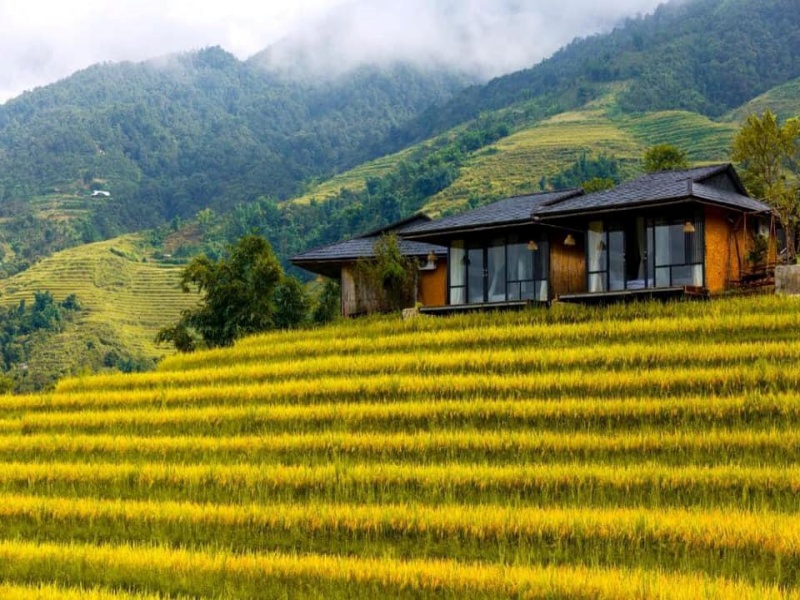
- If your dream is golden terraces glowing under autumn light, visit in September or early October.
- If you want artistic reflections and dramatic skies, come in late May or June.
- If you prefer vibrant green hills with fewer crowds, July and August can be ideal.
Ultimately, the best time to visit Sapa rice fields depends on the mood you seek. The landscape changes constantly, yet its beauty remains timeless.
Before finalizing your trip, combine this seasonal guide with our broader article on the best time to visit Sapa and review the top things to do in Sapa to design a balanced mountain escape.
Sapa rewards those who arrive at the right moment. Choose your season carefully, and the terraces will tell their story in color, light, and silence.