Sapa in January feels completely different from the lush green or golden rice terrace photos most travelers see online.
Instead of vibrant fields, the mountains take on a quieter winter character. Mist drifts slowly through valleys, temperatures drop to their lowest point of the year, and the town becomes calmer as tourist crowds thin out.
For many travelers, this is when Sapa reveals a more atmospheric side — fog rolling across the terraced hills, cold mountain air, and peaceful trekking routes through ethnic villages.
But January also raises practical questions:
- Is January a good time to visit Sapa?
- How cold does it actually get?
- Can it snow in Sapa during winter?
This guide explains exactly what to expect from Sapa in January, including the weather, scenery, trekking conditions, and the best experiences during Vietnam’s coldest mountain month.
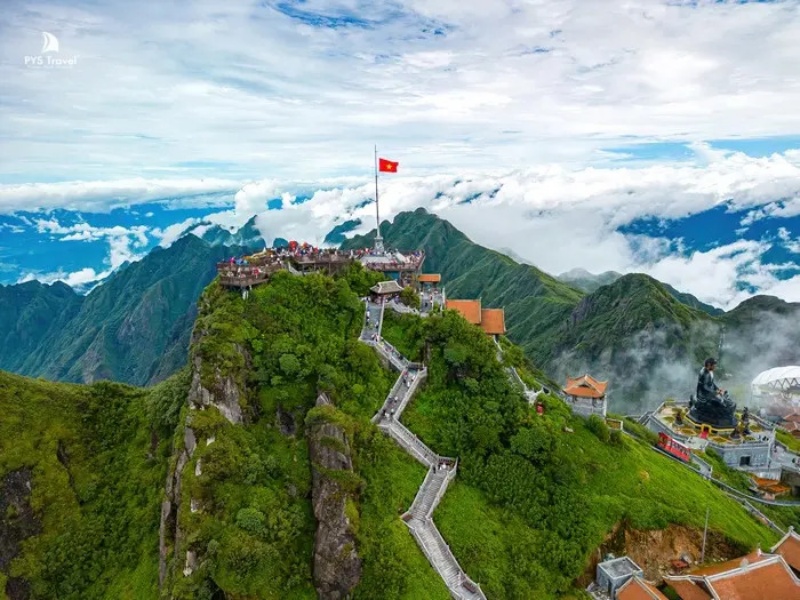
Is January a Good Time to Visit Sapa?
Yes — January can be a good time to visit Sapa if you enjoy cool mountain weather, peaceful landscapes, and fewer tourists. Temperatures usually range from 3–12°C, and fog often creates dramatic scenery across the valleys.
However, winter is not the season for vibrant rice terraces. If you are hoping to see green or golden fields, other months may be more suitable.
 For a broader seasonal comparison, see our guide on Best time to visit Sapa guide.
Sapa Weather in January
Because Sapa sits between 1,500 and 1,800 meters above sea level, the climate is much cooler than most parts of Vietnam.
January is typically the coldest month of the year in the region and represents the peak of Sapa winter weather.
Instead of tropical warmth, visitors experience:
- Cool mountain air
- Frequent morning fog
- Cloudy skies with occasional sunshine
Despite the cold, many travelers find this winter atmosphere surprisingly beautiful.
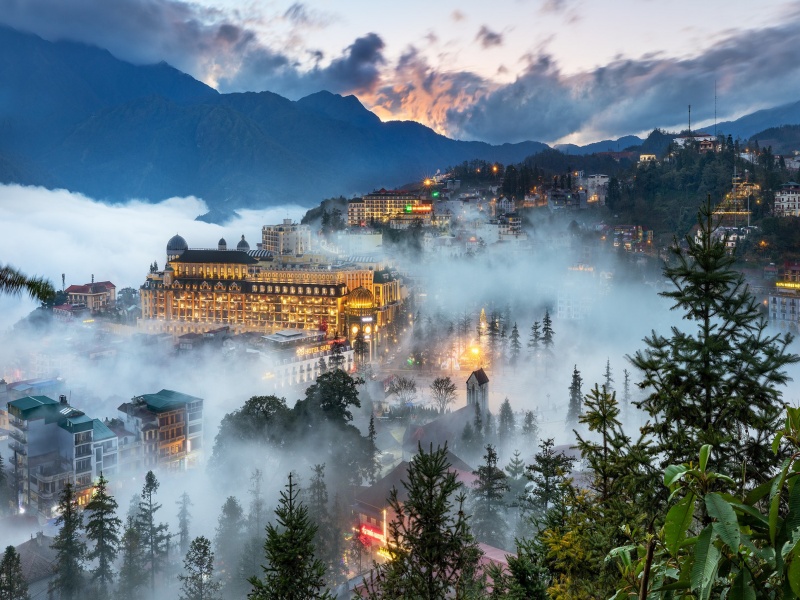
Temperature in Sapa in January
Average temperatures in January typically range from 3°C to 12°C.
Cold waves from northern Asia occasionally push temperatures close to freezing, particularly at night or in higher elevations.
Typical daily conditions look like this:
- Morning: 4–7°C with fog covering the valleys
- Afternoon: 8–12°C with occasional sunshine
- Night: 3–6°C with damp mountain air
Even though these temperatures may not seem extremely low, humidity in the mountains makes the cold feel stronger than expected.
Many travelers describe Sapa’s winter weather as a damp mountain chill rather than a dry winter cold.
Rainfall and Humidity
January is relatively dry compared with the summer monsoon season.
However, the mountains still experience high humidity.
Instead of heavy rain, visitors usually encounter:
- Light drizzle
- Cloudy skies
- Occasional mist
These conditions contribute to the mysterious and atmospheric landscapes that define Sapa in winter.
For a detailed breakdown of climate patterns throughout the year, see our Sapa weather by month guide.
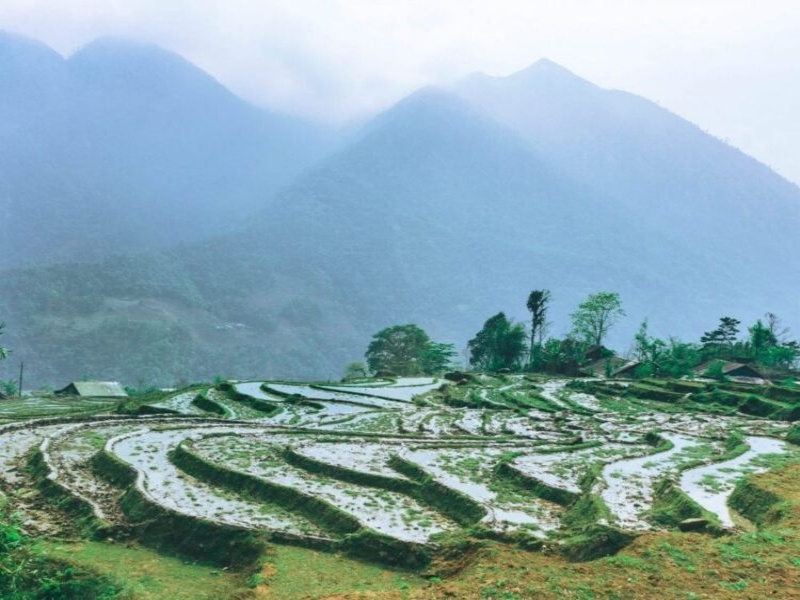
Fog and Visibility
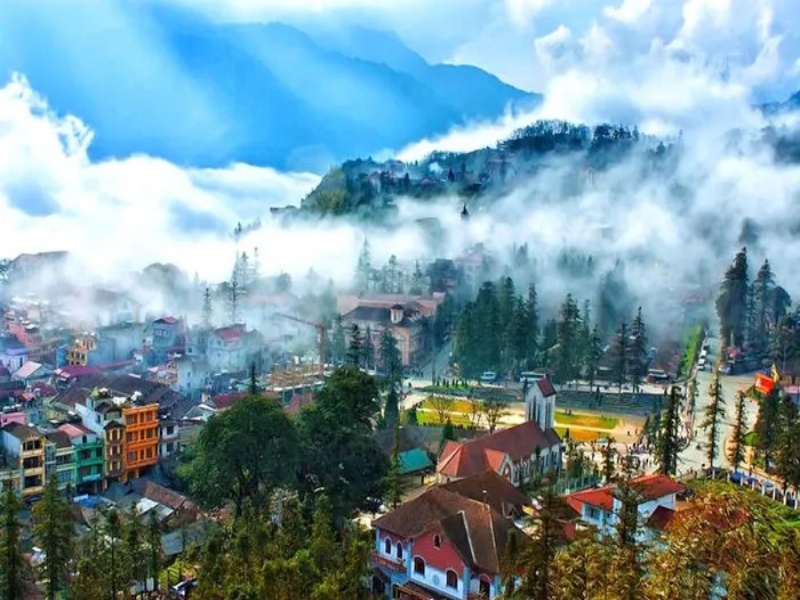
Fog is one of the defining characteristics of Sapa in January.
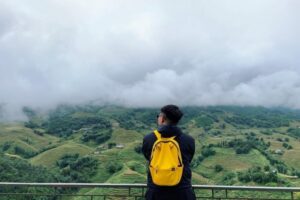
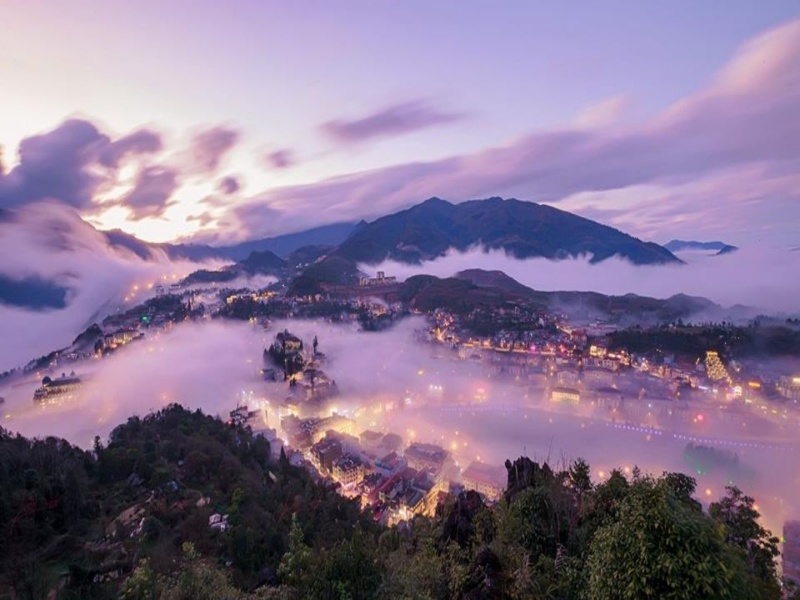
In the early morning, thick mist often blankets Muong Hoa Valley, gradually lifting as the temperature rises.
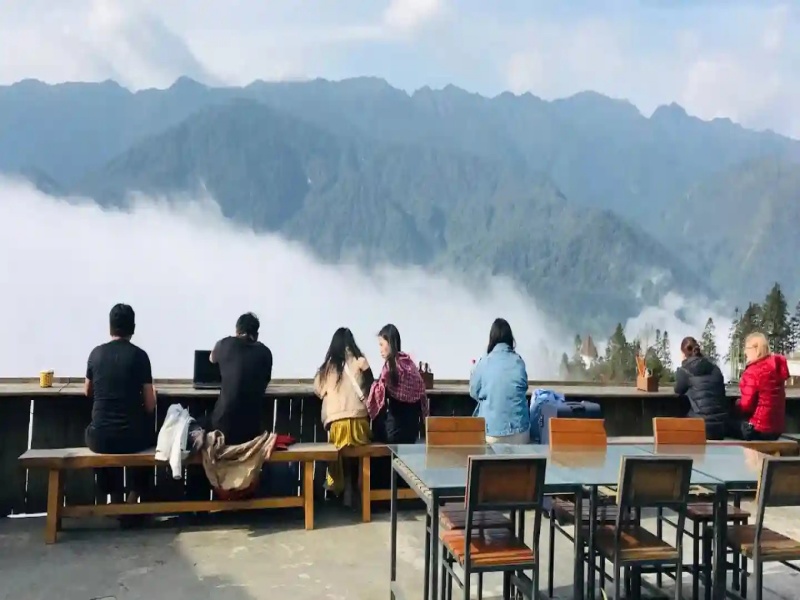
From hilltop cafés or viewpoints above town, travelers can sometimes watch the fog slowly drift through the terraces while distant mountains appear and disappear in the clouds.
Some days remain cloudy throughout the afternoon, while others clear unexpectedly to reveal stunning views of the Hoang Lien Son mountain range.
For photographers and travelers who enjoy dramatic landscapes, this ever-changing visibility becomes part of the experience.
Does It Snow in Sapa in January?
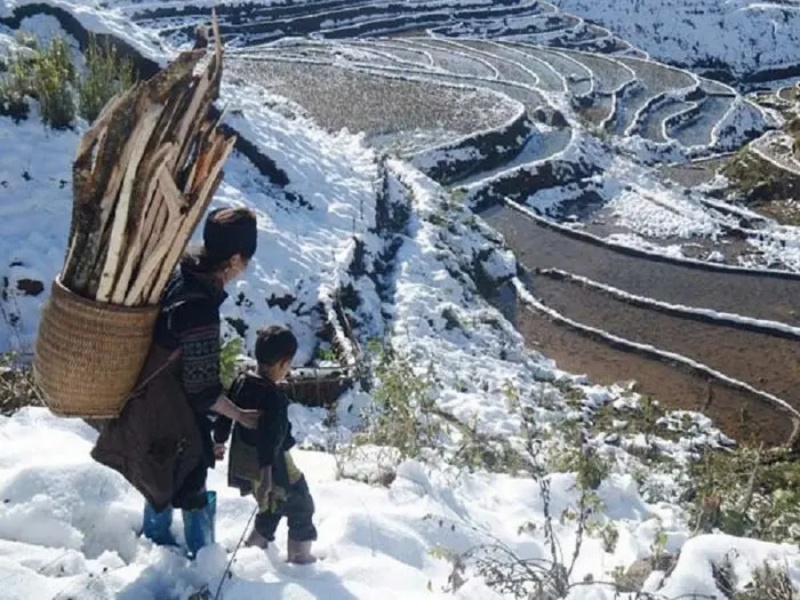
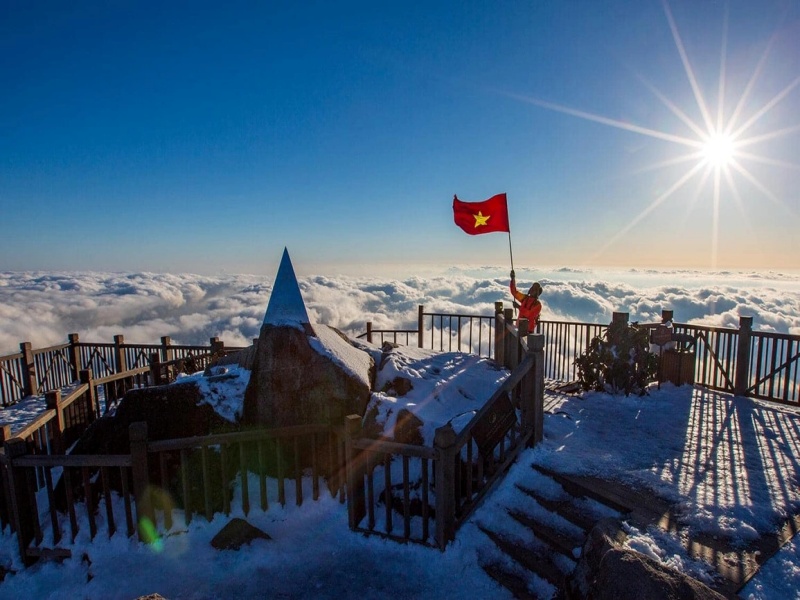
Snow in Sapa is rare but possible.
Every few years, strong cold waves from northern Asia push temperatures below freezing across the mountains of northern Vietnam.
When this happens, frost — and occasionally light snowfall — can occur in the region.
The locations where snow is most likely include:
- Fansipan Peak (3,143 m)
- O Quy Ho Pass
- Higher mountain villages near the Hoang Lien Son range
Even when snow does not appear, frost can cover rooftops, grass, and vegetation in the early morning, creating a surprisingly wintry landscape.
Because snowfall is unpredictable and short-lived, travelers should treat it as a lucky bonus rather than a guaranteed experience.
What Sapa Looks Like in January?
Winter changes the visual character of Sapa dramatically.
Instead of bright green or golden terraces, the landscape becomes more subtle and atmospheric.
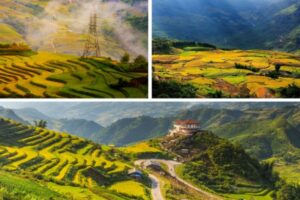
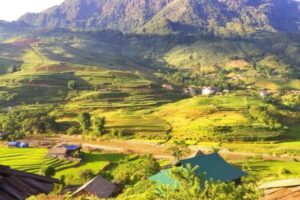
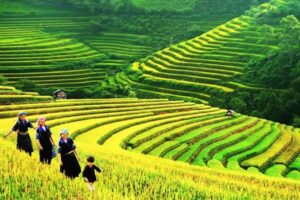
Rice terraces across Lao Chai and Ta Van villages appear in shades of earthy brown and soft green, while mist moves slowly across the valley.
Some of the most atmospheric winter viewpoints include:
- Muong Hoa Valley: Layered terraces fading into fog
- Ham Rong Mountain: Panoramic views above Sapa town
- Stone Church area: Morning mist surrounding the historic center
Early mornings can be particularly striking.
Standing on a hillside above the valley, you may watch fog slowly shift through the terraces while distant ridges emerge and disappear in the clouds.
For travelers who appreciate quiet mountain scenery, January can feel almost magical.
Best Things to Do in Sapa in January
Although winter changes the landscape, there are still many memorable experiences available during January.
The key is choosing activities that suit the season.
Visit Fansipan – The Roof of Indochina
Standing at 3,143 meters, Fansipan is the highest mountain in Vietnam and the most famous attraction near Sapa.
The Fansipan cable car allows visitors to reach the summit in about 15 minutes, offering panoramic views over the Hoang Lien Son mountain range.
In January, the summit often feels dramatically different from the warmer months.
Visitors may encounter:
- Clouds drifting across the peaks
- Frost-covered vegetation
- Cool alpine air
On clear days, the views stretch across the northern mountains of Vietnam.
Even when fog surrounds the summit, the experience still feels impressive and unique.
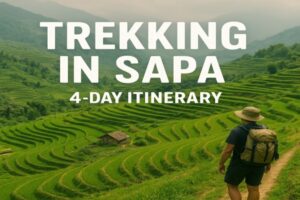
Trek Through Muong Hoa Valley
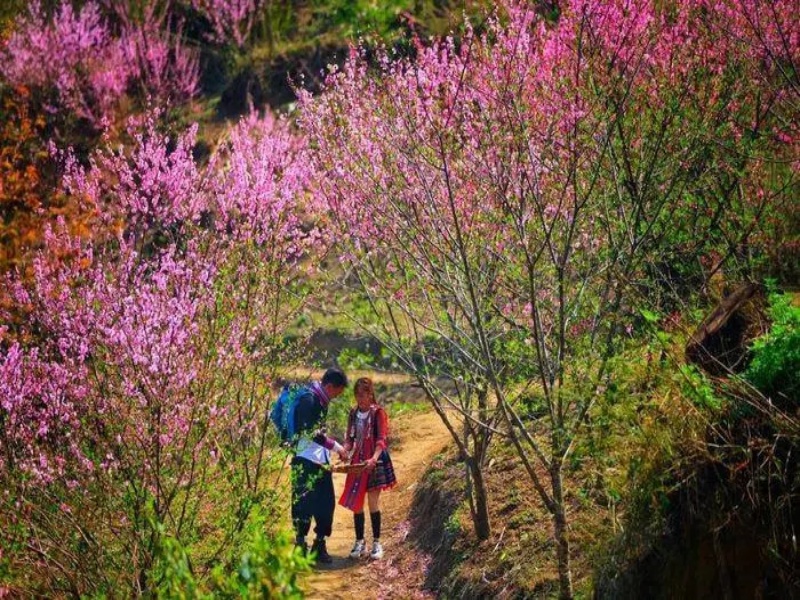
Muong Hoa Valley is one of the most iconic landscapes in northern Vietnam.
In January, the terraces are quieter and less crowded than during the peak harvest season.
Trekking routes connecting villages such as:
- Lao Chai Village
- Ta Van Village
- Y Linh Ho
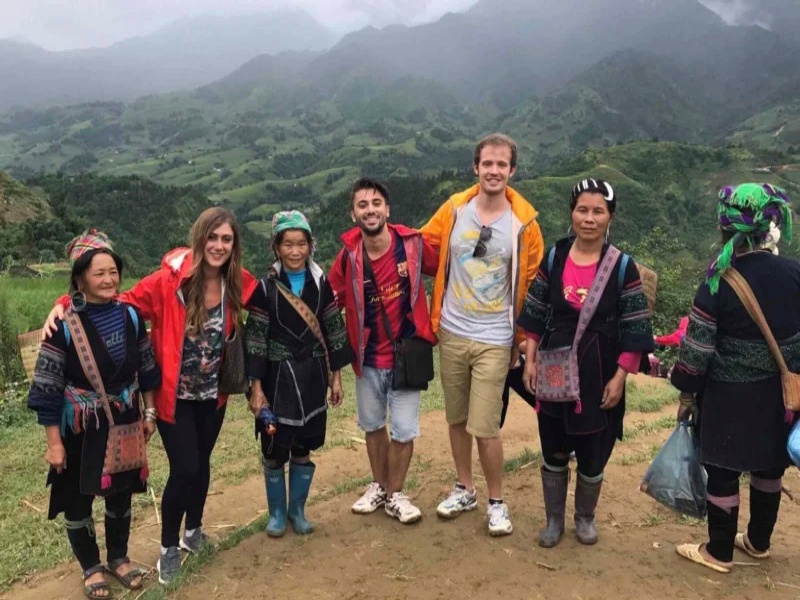
Allow travelers to experience local life while walking through misty mountain scenery.
Because visitor numbers are lower in winter, trekking trails often feel peaceful and uncrowded.
If you want to explore hiking routes in more detail, read our complete Sapa trekking guide.
Explore Hoang Lien National Park
The forests surrounding Sapa are part of Hoang Lien National Park, a protected area known for its biodiversity and mountain scenery.
- Winter trekking here offers a very different experience compared with the lush summer months.
- Cool temperatures make hiking comfortable, and the forests often feel calm and quiet.
- Trails leading toward Love Waterfall are especially scenic during this season.
Visit Sapa Waterfalls in Winter
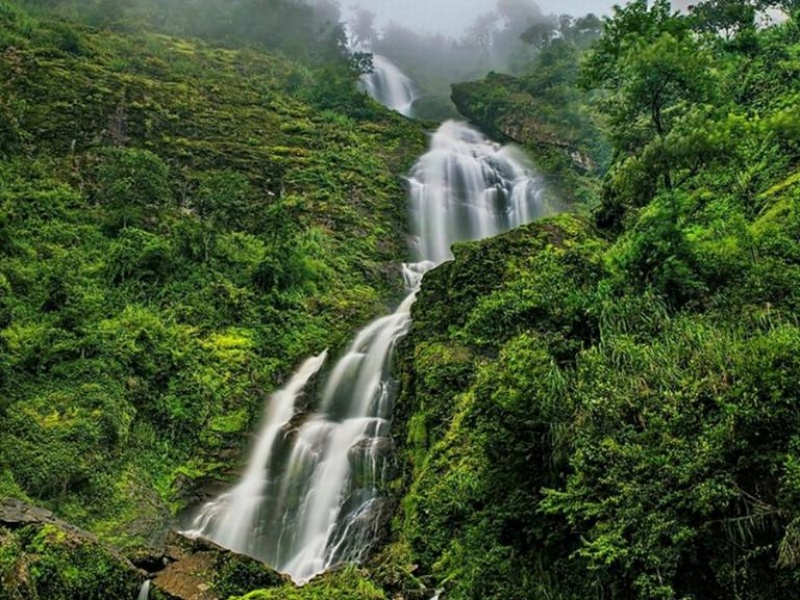
Waterfalls around Sapa remain impressive even during the cooler months.
Two of the most popular sites are:
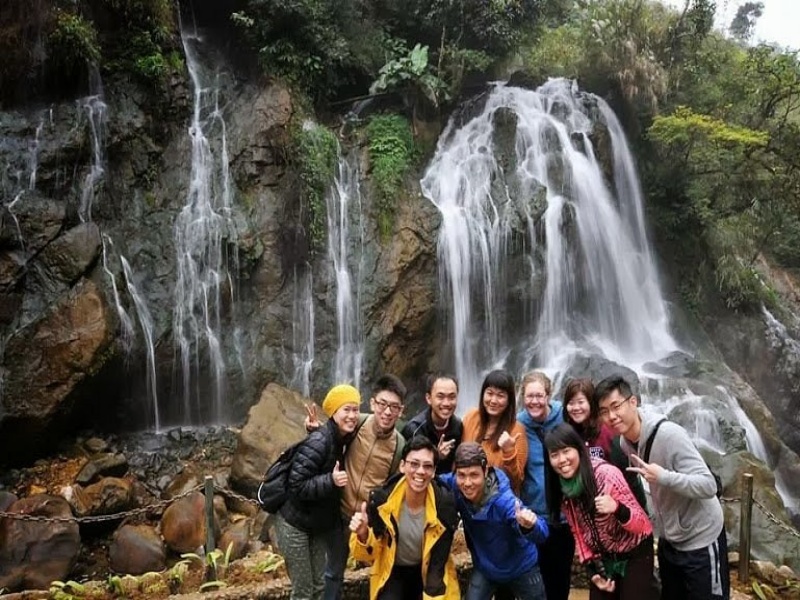
- Thac Bac Waterfall (Silver Waterfall) is a dramatic cascade visible from the mountain road leading toward O Quy Ho Pass.
- Nearby, Love Waterfall sits inside the forest of Hoang Lien National Park, surrounded by tall trees and mountain streams.
Although the surrounding forest may appear less vibrant than in summer, the cool air and mountain atmosphere make these locations pleasant places to explore.
Relax in Cozy Sapa Cafés
Cold weather makes January the perfect time to enjoy Sapa’s café culture.
Many cafés around town offer balconies overlooking the valley.
Sitting with a warm drink while watching fog drift across the mountains can easily become one of the most memorable moments of the trip.
Some of the best café viewpoints are located:
- Near the Stone Church in Sapa town
- On hillsides overlooking Muong Hoa Valley
- Along quiet roads leading out of town
For more travel ideas, see our full guide on things to do in Sapa.
Visit Local Ethnic Markets
Winter is also a good time to explore traditional markets in northern Vietnam.
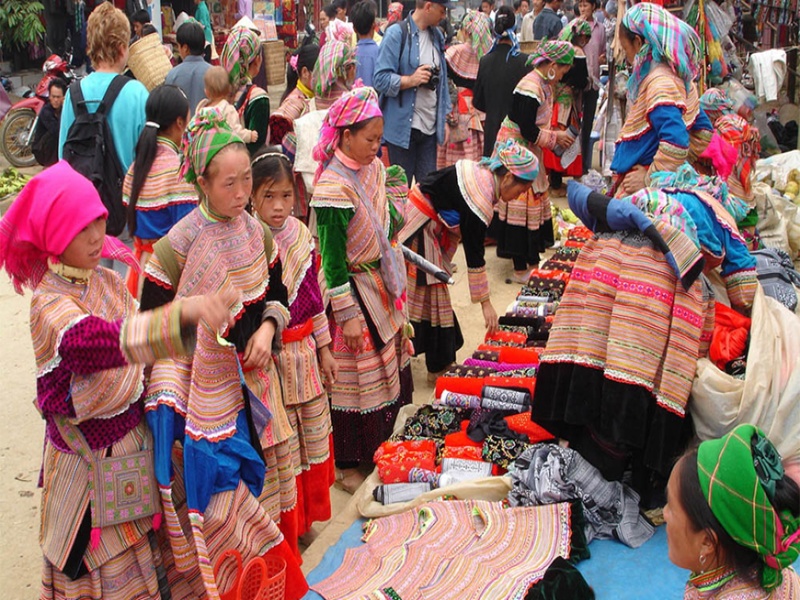
The Bac Ha Market, located about two hours from Sapa, is one of the most famous ethnic markets in the region.
Here you will see:
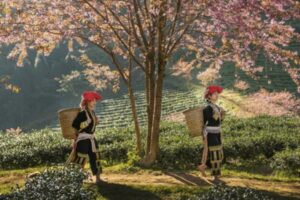
- Colorful traditional clothing
- Handmade textiles
- Local mountain foods
Markets provide a deeper glimpse into the daily life of ethnic minority communities.
If you’re planning your trip during winter, having a clear route can help you experience the best landscapes without wasting travel time. Our recommended Sapa itinerary shows how to combine trekking villages, viewpoints, and Fansipan in a well-balanced schedule.
Is Trekking in Sapa Good in January?
Yes — trekking is still possible in January, but conditions differ from other seasons.
Advantages include:
- Fewer tourists on popular routes
- Peaceful mountain villages
- Dramatic misty scenery
However, winter trekking also comes with challenges.
Trails may become slippery due to fog or light rain, and visibility can vary from day to day.
Shorter trekking routes are usually the most comfortable option in winter.
Popular winter-friendly routes include:
- Cat Cat Village trails
- Shorter sections of Muong Hoa Valley
- Village walks near Ta Van
Longer multi-day trekking routes are generally better during drier months such as March or October.
Read more: Sapa Trekking: Best Tips, Routes, to Have Your Amazing Trip!
What to Wear in Sapa in January?
Packing correctly is essential for winter travel in Sapa.
Because the cold is often damp, layered clothing works best.
Recommended items include:
- Thermal base layers
- Fleece or warm sweaters
- Waterproof jacket
- Scarf and gloves
- Warm hat
- Waterproof trekking shoes
If you plan to visit Fansipan or trek in the mountains, extra layers are highly recommended.
Even in the afternoon, temperatures rarely feel warm.
Pros and Cons of Visiting Sapa in January
Before planning your trip, it helps to understand both the advantages and limitations of winter travel.
Pros
Fewer tourists
- Quiet trekking routes
- Dramatic foggy landscapes
- Chance of frost or rare snowfall
Cons
- Cold temperatures
- Rice terraces are not green or golden
- Fog can reduce mountain visibility
- Some trails become slippery
For travelers who enjoy peaceful mountain environments, the benefits often outweigh the drawbacks.
Sapa in January vs Other Months
Compared with other seasons, January offers a very different version of Sapa.
October is usually considered the most scenic time, when golden rice terraces cover the mountains. Spring months such as March and April provide milder temperatures and comfortable trekking conditions.
January, by contrast, emphasizes atmosphere rather than color.
Travel Tips for Visiting Sapa in January
A few simple tips can make your winter trip much more comfortable.
- Choose accommodation with heating or thick blankets.
- Start trekking later in the morning when temperatures rise slightly.
- Check the weather forecast before visiting Fansipan.
- Bring waterproof clothing and sturdy walking shoes.
- Local guides often recommend starting hikes around 10 AM, when fog begins to lift and mountain views improve.
If you prefer a hassle-free experience, joining a guided Sapa tour can make winter travel much easier, especially when navigating foggy mountain roads or arranging village trekking routes.
Final Verdict: Should You Visit Sapa in January?
January may not be the classic postcard season for Sapa — but it offers a completely different kind of beauty.
Instead of bright rice terraces and crowded trekking routes, winter reveals quiet valleys, drifting fog, and a slower rhythm of mountain life.
For travelers who enjoy peaceful landscapes and atmospheric scenery, January can be one of the most memorable times to visit.
If you are looking for vibrant rice fields or warmer trekking weather, other months may suit you better.
But if the idea of misty mountains, cozy cafés, and calm village trails appeals to you, Sapa in January has its own unique charm.
Frequently Asked Questions
How cold is Sapa in January?
- January is the coldest month in Sapa. Temperatures usually range from 3°C to 12°C, though cold waves can occasionally push temperatures close to freezing.
Does it snow in Sapa in January?
- Snow is rare but possible during strong cold waves, especially at higher elevations such as Fansipan Peak.
Are rice terraces beautiful in January?
- Rice terraces are not green or golden during winter. However, the misty mountain scenery creates a dramatic and atmospheric landscape.
Is trekking safe in Sapa during January?
- Yes, trekking is still possible in January. However, trails may become slippery due to fog or light rain, so shorter trekking routes are often more comfortable.