Introduction
Understanding Sapa weather by month is essential if you want to plan your trip with realistic expectations about temperature, rainfall, fog, and seasonal scenery.
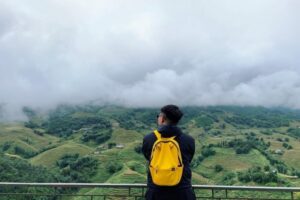
Located at 1,500–1,800 meters above sea level in the Hoang Lien Son mountain range, Sapa has a unique highland microclimate. Weather can change quickly within the same day — sunny mornings may turn misty or rainy by afternoon.
This guide provides:
- Monthly temperature and rainfall patterns
- What to do and what to avoid each month
- Seasonal landscape expectations
- Practical planning advice based on climate behavior
Overview of Sapa Climate by Month
- Average annual temperature: ~15°C
- Rainy season: May–August (Southwest monsoon influence)
- Dry season: September–April
- Coldest months: December–January
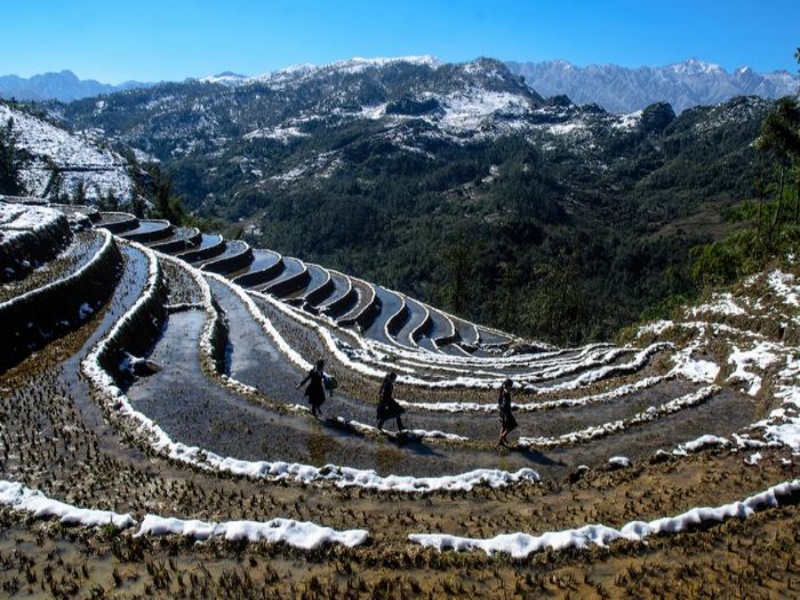
- Snow possibility: Late December–February (rare, higher elevations like Fansipan)
- Highest rainfall: June–July
Due to elevation, Sapa experiences:
- Large day–night temperature differences
- High humidity during monsoon months
- Frequent fog in winter and early spring
If you are comparing broader seasonal travel timing, see our detailed breakdown in Best time to visit Sapa.
Sapa Weather by Month at a Glance
| Month | Temp (°C) | Rainfall | Weather Characteristics |
|
|
|
|
|
|
|
|
|
|
|
|
|
|
|
|
|
|
|
|
|
|
|
|
|
|
|
|
|
|
|
|
|
|
|
|
|
|
|
|
|
|
|
|
|
|
|
|
Detailed Sapa Weather by Month – What to Do & Avoid
Instead of just looking at temperatures, the real question is:
What kind of Sapa experience are you looking for?
Here’s what each month truly feels like — and who it’s perfect for.

Sapa Weather in January
- Temperature: 3–12°C
- Conditions: Very cold, heavy fog, occasional frost
What to Do
- Visit Fansipan mountain for potential frost or rare snow
- Explore villages in dramatic mist
- Experience Lunar New Year atmosphere (late Jan/early Feb)
What to Avoid
- Long trekking routes without thermal gear
- Early morning motorbike travel (slippery roads)
Best for: Winter landscape lovers and photographers.

Sapa Weather in February
- Temperature: 3–15°C
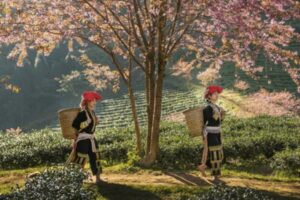
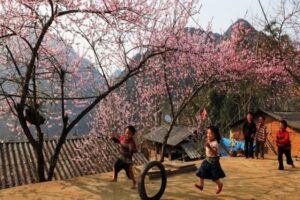
- Conditions: Cold mornings, peach & plum blossoms
What to Do
- Photograph blossom valleys in Ta Van village and Lao Chai village
- Attend ethnic spring festivals
- Light trekking on dry days
What to Avoid
- Underestimating night temperatures
Best for: Cultural experiences and flower photography.
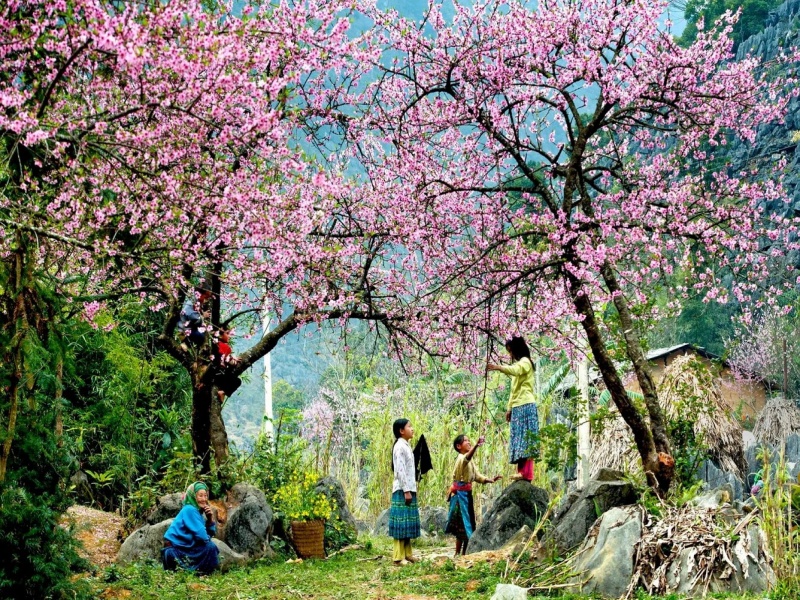
Sapa Weather in March
- Temperature: 10–20°C
- Rainfall: Low
- Conditions: Cool, stable, ideal trekking weather
What to Do
- Multi-day Sapa trekking adventures
- Explore Muong Hoa Valley
- Cycle through hill tribe villages
See suggested routes in our complete Sapa trekking guide.
What to Avoid
- Booking accommodation too late (high demand season)
Best for: Outdoor exploration and active travelers.
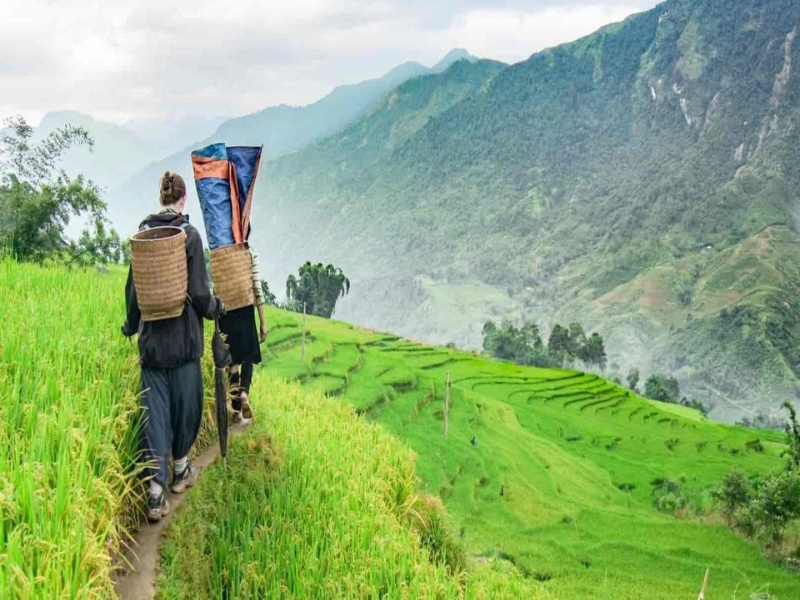
Sapa Weather in April
- Temperature: 15–22°C
- Conditions: Mild, comfortable, manageable rainfall
What to Do
- Visit Silver Waterfall & Tram Ton Pass – O Quy Ho Pass
- Explore ethnic villages
- Enjoy panoramic viewpoints
Find more curated ideas in our guide to Things to do in Sapa.
What to Avoid
- Ignoring cooler night temperatures
Best for: First-time visitors wanting balanced conditions.
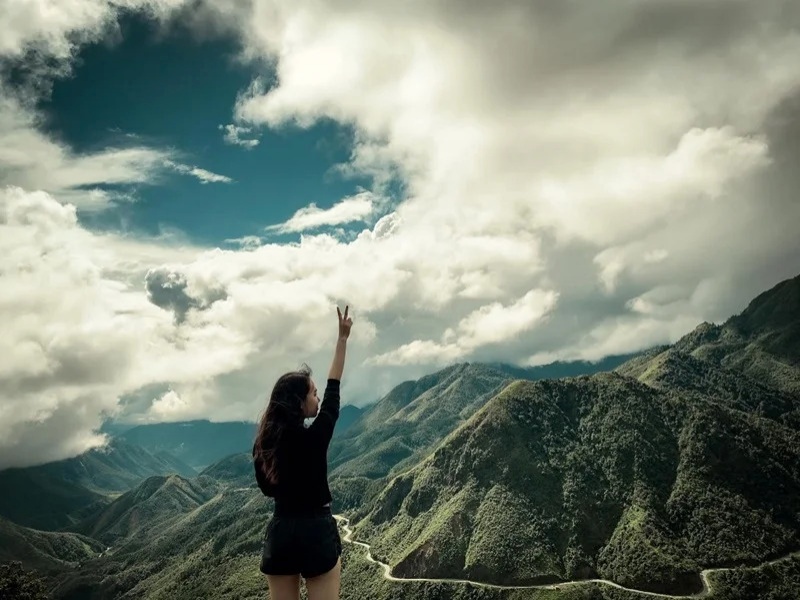
Sapa Weather in May
- Temperature: 18–25°C
- Rainfall: Increasing
- Conditions: Beginning of green rice terrace season
What to Do
- Experience vibrant terraced landscapes
- Stay in local homestays
- Explore flexible outdoor activities
Plan efficiently with a structured Sapa itinerary.
What to Avoid
- Rigid daily schedules (short sudden showers common)
Best for: Lush scenery without peak rainfall.
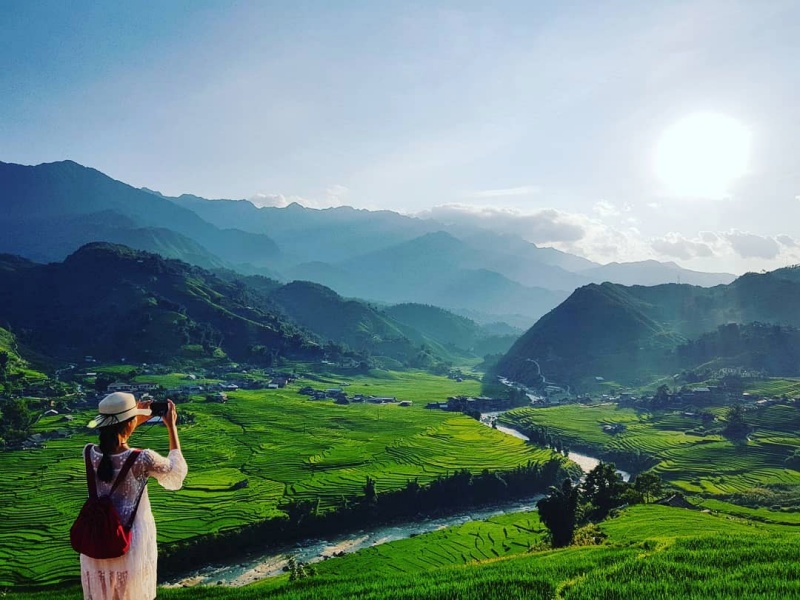
Sapa Weather in June
- Temperature: 15–25°C
- Conditions: Rainy, lush landscapes
What to do:
- Visit waterfalls at peak flow
- Join guided Sapa tours for safe trekking
- Enjoy fruit-picking season
What to avoid:
- Independent trekking on slippery trails
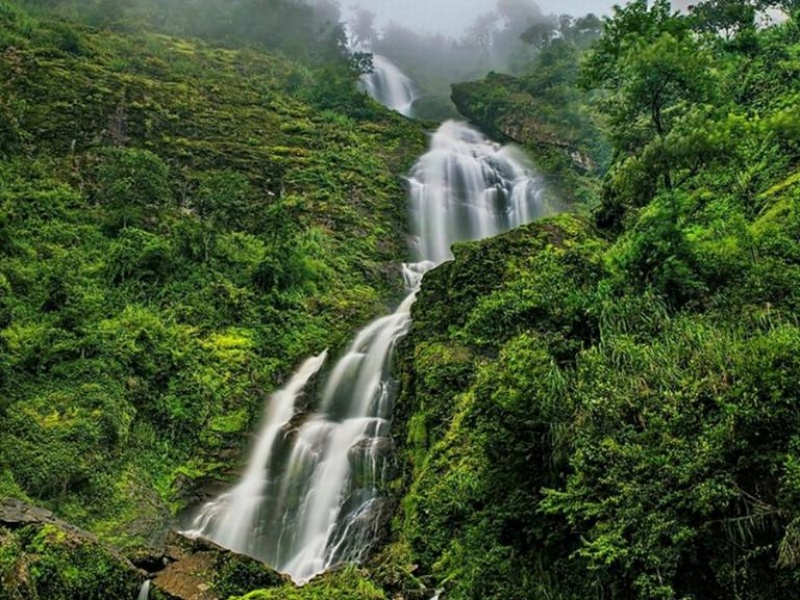
Sapa Weather in July
- Temperature: 18–25°C
- Rainfall: High
What to Do
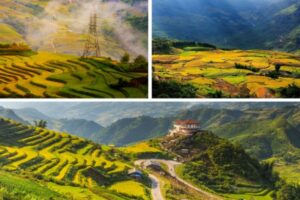
- Capture emerald rice terraces
- Enjoy cozy cafés during afternoon rain
What to Avoid
- Tight outdoor schedules
Best for: Romantic, misty mountain atmosphere.

Sapa Weather in August
- Temperature: 18–25°C
- Conditions: Monsoon showers, dramatic skies
What to Do
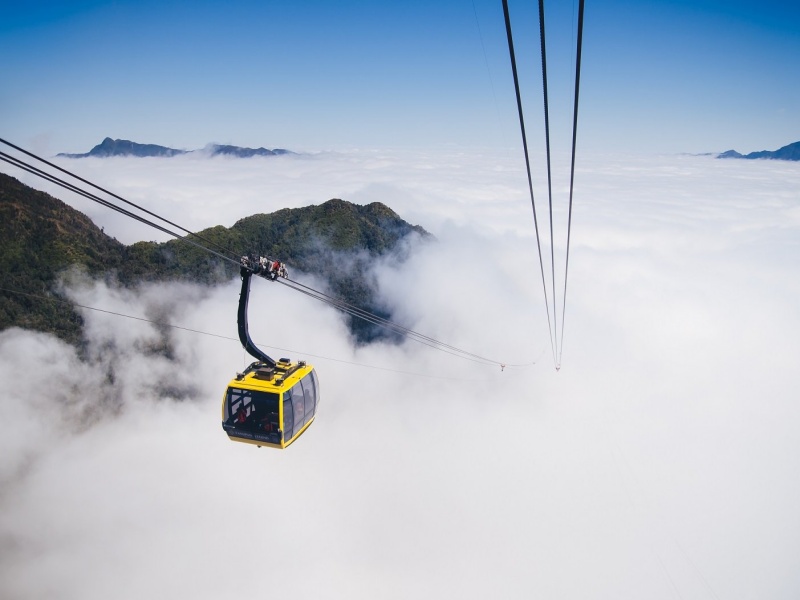
- Visit Fansipan by cable car
- Explore local markets
- Capture fog-covered peaks
What to Avoid
- Hiking during heavy downpours
Best for: Scenic photography lovers.
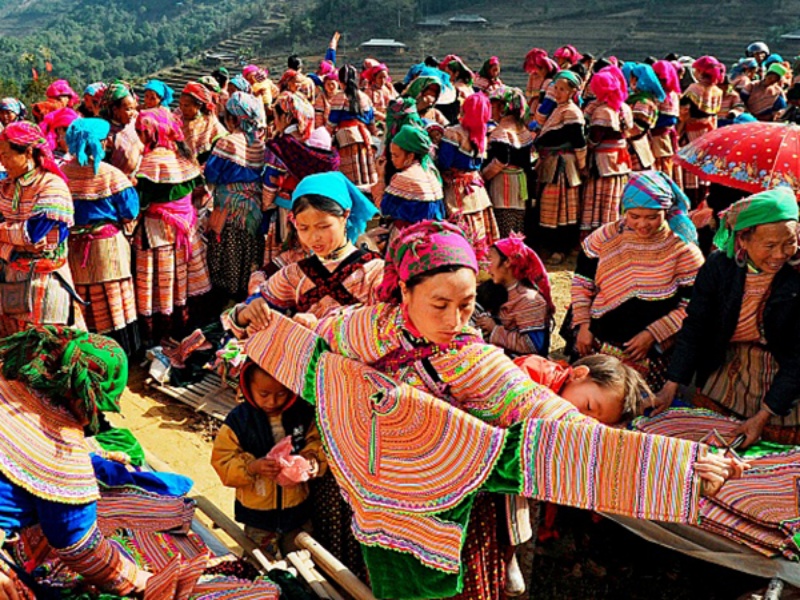
Sapa Weather in September
- Temperature: 18–25°C
- Conditions: Drier weather, golden rice harvest
What to Do
- Trek through golden terraces
- Visit ethnic markets
- Landscape photography
What to Avoid
- Late hotel booking (peak season)
Best for: Iconic Sapa scenery.
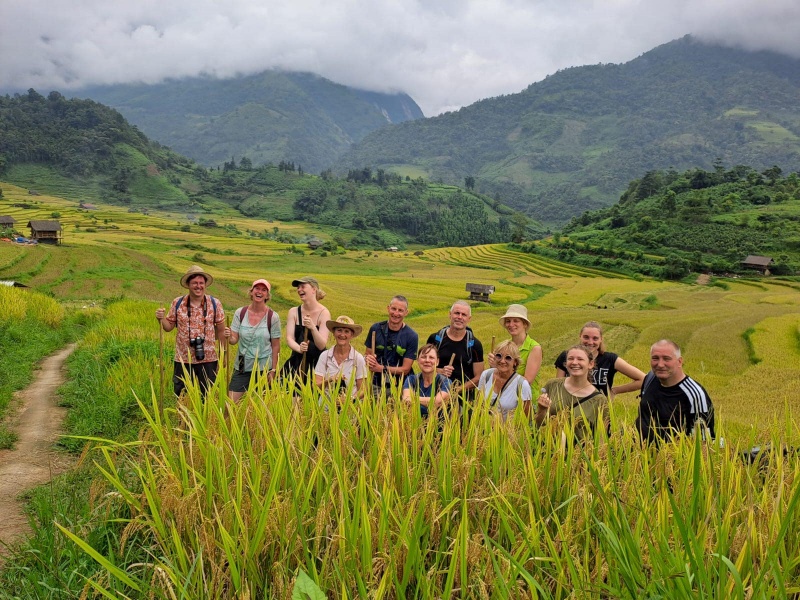
Sapa Weather in October
- Temperature: 15–22°C
- Conditions: Clear skies, cool air
What to Do
- Long trekking routes
- Summit Fansipan
- Explore villages comfortably
What to Avoid
- Expecting golden rice all month (harvest ends early)
Best for: Comfortable outdoor travel.
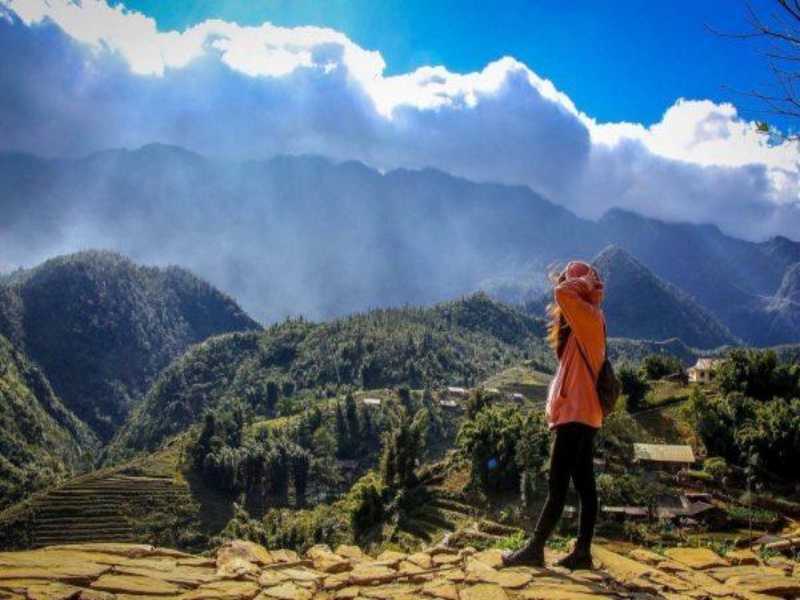
Sapa Weather in November
- Temperature: 10–18°C
- Conditions: Early winter chill, fog returns
What to Do
- Scenic walking tours
- Misty valley photography
What to Avoid
- Expecting vibrant rice fields
Best for: Quiet travel and fewer crowds.
Sapa Weather in December
- Temperature: 5–10°C
- Conditions: Coldest transition into deep winter
What to Do
- Experience winter mountain atmosphere
- Watch for frost at higher elevations
- Enjoy peaceful low season
What to Avoid
- Light clothing without insulation
Best for: Cold-weather travelers.
Seasonal Weather Patterns in Sapa
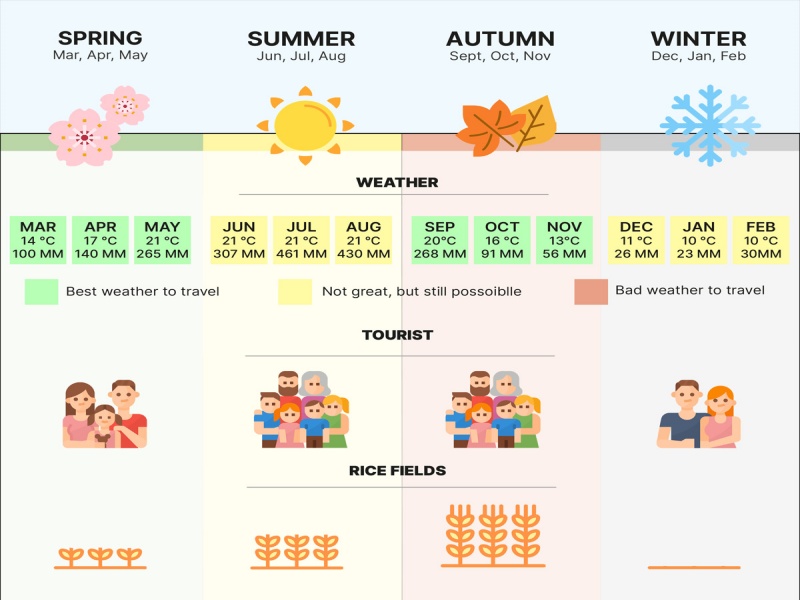
- Spring (Feb–Apr): Mild, blooming, trekking-friendly
- Summer (May–Aug): Monsoon rains, lush green landscapes
- Autumn (Sep–Nov): Dry, comfortable, scenic
- Winter (Dec–Jan): Cold, foggy, frost possible
How to Choose Based on Sapa Weather by Month
Instead of searching for a single “perfect” month, match your goals with the monthly climate:
- For trekking: March–April & October
- For golden rice fields: September
- For green terraces: May–July
- For blossoms: February
- For cold winter atmosphere: December–January
By understanding Sapa weather by month, you gain clarity about real conditions — not just temperature averages.
Conclusion: Understanding Sapa Weather by Month for Better Planning
Understanding Sapa weather by month allows travelers to prepare properly for changing temperatures, rainfall levels, and seasonal conditions throughout the year.
Each month in Sapa offers distinct weather characteristics:
- Winter months (December–January) bring cold air and occasional frost or snow.
- Spring (February–April) provides mild temperatures and blooming landscapes.
- Summer (May–August) features warmer weather with increased rainfall and lush scenery.
- Autumn (September–November) delivers drier conditions and comfortable temperatures.
Instead of searching for a single “perfect” month, the better approach is to match your travel expectations with the monthly climate patterns described above. By reviewing Sapa’s climate month by month, you can make a well-informed decision and plan a trip that aligns with your travel style and weather preferences.