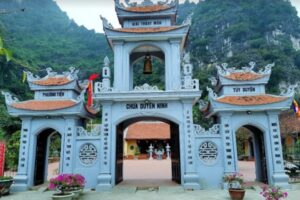
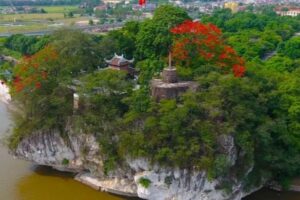
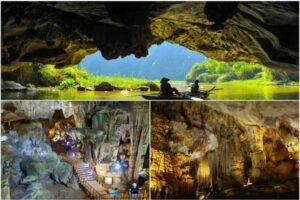
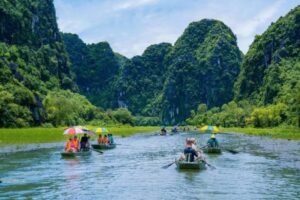
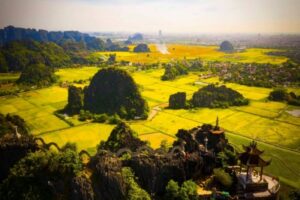
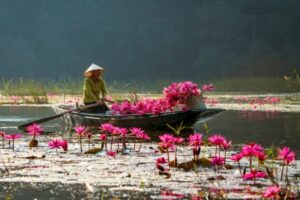
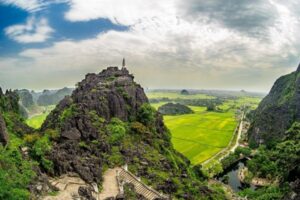
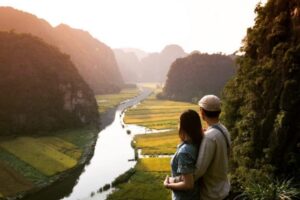
Nature has blessed Ninh Binh with breathtaking landscapes, ancient capitals, sacred mountains, and UNESCO-recognized heritage sites. Beyond its natural beauty, Ninh Binh is also deeply rooted in traditional festivals that reflect Vietnam’s royal history, spiritual beliefs, and rural culture.
Visiting during festival season offers travelers a chance to experience Ninh Binh beyond sightseeing — through rituals, music, and centuries-old traditions.
Why Festivals Matter in Ninh Binh Culture?
Ninh Binh was once the first capital of Vietnam, and many local festivals are closely connected to royal dynasties, guardian deities, and Buddhist beliefs.
These festivals are not performances for tourists — they are living traditions preserved by local communities, making them culturally significant and authentic.
When Do Festivals Take Place in Ninh Binh?
Most traditional festivals in Ninh Binh take place between:
- Lunar January → Lunar March
- Corresponds to January–April in the solar calendar
This period coincides with mild weather and the beginning of spring, making it ideal for cultural exploration.
 For seasonal planning, see: Ninh Binh Season travel guide

Hoa Lu Ancient Capital Festival
The Hoa Lu Ancient Capital Festival is the largest and most important festival in Ninh Binh.
- Time: 8th–10th day of the 3rd lunar month
- Location: Truong Yen Commune, Hoa Lu District
- Purpose: Commemorates Kings Dinh Tien Hoang and Le Dai Hanh
This festival honors the founding of Vietnam’s first centralized feudal state over 1,000 years ago.
Highlights:
- Solemn sacrificial rituals
- Water procession ceremonies
Traditional folk games (human chess, tug of war, boat racing)
Learn more about the historical site: Hoa Lu Ancient Capital

Trang An Traditional Festival (Saint Quy Minh Dai Vuong)
- Time: 18th day of the 3rd lunar month
- Location: Tran Temple, Trang An Complex
This festival honors Saint Quy Minh Dai Vuong, a guardian deity believed to protect the land and people of ancient Vietnam.
What makes this festival unique is its setting — rituals take place amid limestone mountains, rivers, and sacred caves.
Related reading: Trang An Boat Tour – Complete Guide to the Best UNESCO Boat Ride in Ninh Binh
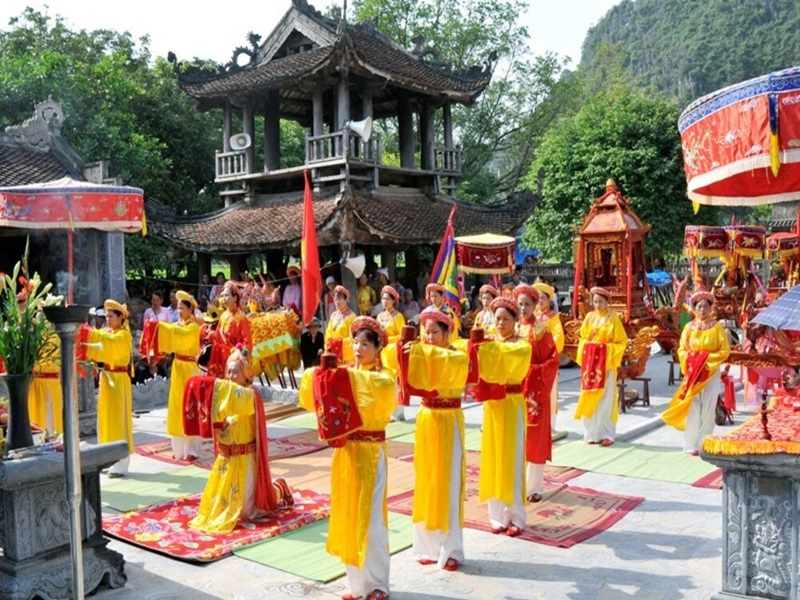
Thai Vi Temple Festival
- Time: 14th–16th day of the 3rd lunar month
- Location: Van Lam Village, Tam Coc area
This festival commemorates the Tran Dynasty kings, particularly King Tran Thai Tong.
Offerings such as white sticky rice, traditional cakes, and ritual foods symbolize purity, prosperity, and respect for ancestors.
Explore more: Thai Vi Temple Ninh Binh
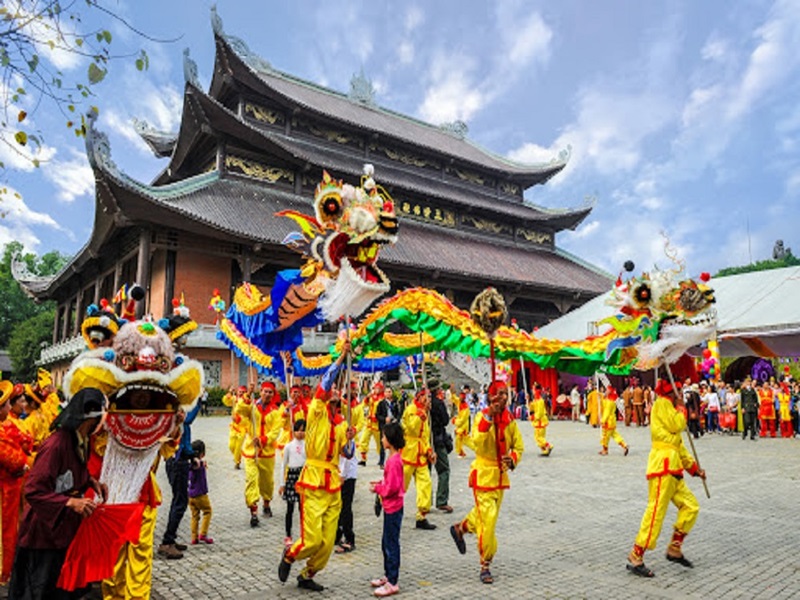
Bai Dinh Pagoda Festival
The Bai Dinh Pagoda Festival is one of the largest Buddhist festivals in Northern Vietnam.
- Time: 6th day of Lunar New Year → end of 3rd lunar month
- Significance: Spiritual blessings, peace, and good fortune
The festival includes:
- Incense offering ceremonies
- Palanquin processions
Traditional music such as cheo, xam, and ca tru
More details: Bai Dinh Pagoda and Significant Records
What to Expect When Attending Festivals?
- Large local crowds, especially on main festival days
- Spiritual atmosphere — dress modestly
- Ceremonies take priority over sightseeing
- Photography is usually allowed, but be respectful
Travel Tips for Visiting Ninh Binh During Festival Season
- Visit early in the morning to avoid crowds
- Wear respectful clothing at temples and pagodas
- Check lunar calendar dates before planning
- Combine festivals with nearby attractions, not tight itineraries
For activity planning: Ninh Binh Attractions
Which Festivals Are Best for First-Time Visitors?
For first-time travelers, the most accessible festivals are:
- Bai Dinh Pagoda Festival – spiritual & large-scale
- Hoa Lu Festival – historical & ceremonial
- Trang An Festival – scenic & cultural
If you’re visiting in early year, see: Ninh Binh in January
Final Thoughts
Festivals in Ninh Binh are not just events — they are living expressions of history, belief, and community. Whether you’re drawn by royal ceremonies, Buddhist traditions, or sacred landscapes, these festivals offer a deeper understanding of Ninh Binh’s cultural soul.
When experienced respectfully, they become some of the most memorable moments of any trip to Ninh Binh.