Tam Coc Overview
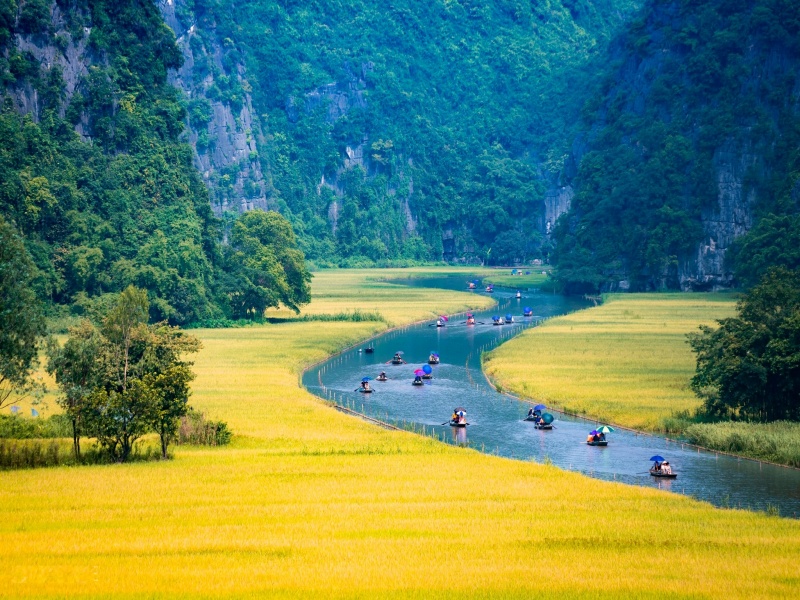
Tam Coc Vietnam is one of the most iconic natural landscapes in northern Vietnam, famous for its limestone karst mountains, winding rivers, and seasonal rice fields that turn golden beneath dramatic cliffs.
Located in Hoa Lu District, Ninh Binh Province, Tam Coc forms a core part of the Trang An Scenic Landscape Complex — a UNESCO World Heritage Site often described as “Ha Long Bay on land.”
More than a single attraction, Tam Coc represents the rural heart of Ninh Binh, where river life, agriculture, temples, and limestone formations coexist in a peaceful countryside setting.
In the early morning, Tam Coc feels especially peaceful. The river is often calm enough to hear the soft splash of oars against the water, while mist lingers around limestone cliffs and farmers begin working quietly along the rice fields. Visiting at this hour offers a rare glimpse of daily countryside life before the area becomes busier later in the day.
This page is the official master guide to Tam Coc Vietnam — explaining what Tam Coc is, why it’s special, what landscapes and cultural values define it, and how it fits into a complete Ninh Binh itinerary.
 For a broader regional overview, see our Things to Do in Ninh Binh – Complete Travel Guide.

What Is Tam Coc Vietnam?
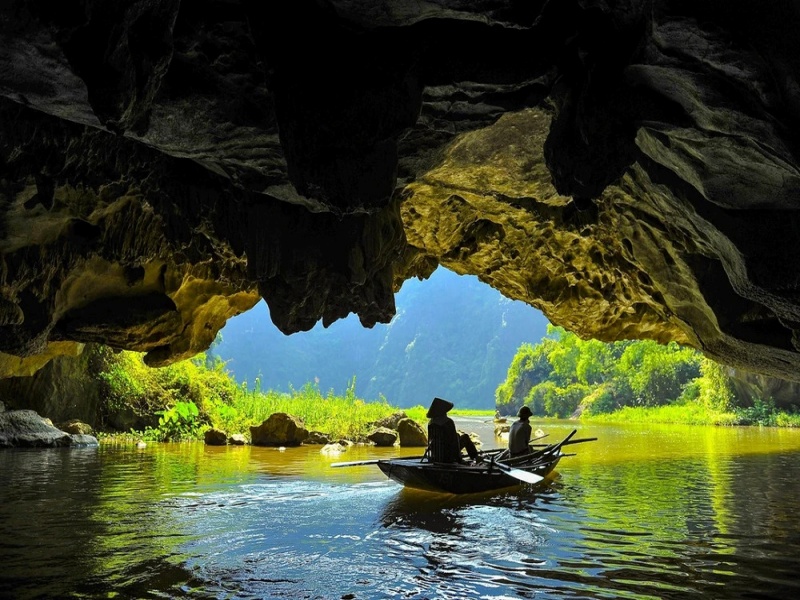
Tam Coc literally means “Three Caves”, referring to the limestone grottoes formed by the Ngo Dong River as it flows through the karst mountains.
Tam Coc Vietnam is best known for:
- River landscapes framed by steep limestone peaks
- Seasonal rice fields lining both riverbanks
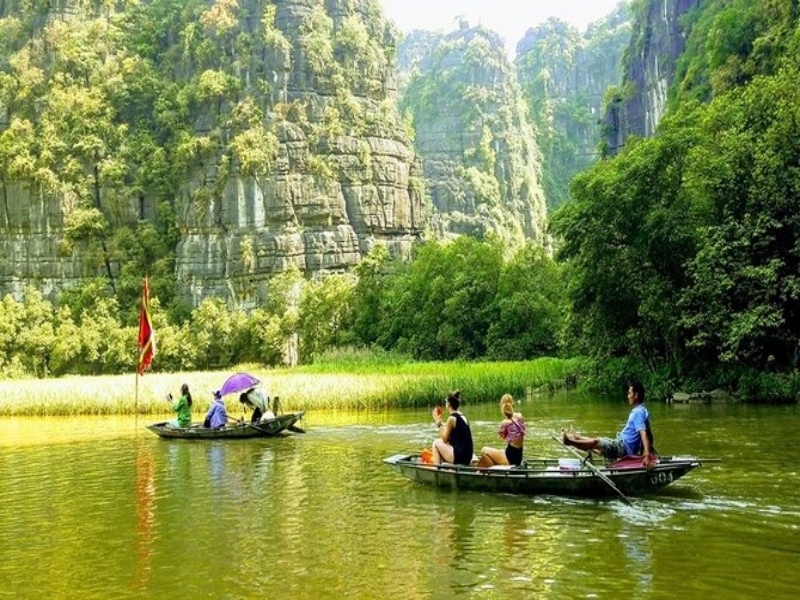
- Traditional sampan boats rowed by local villagers
- A tranquil rural atmosphere distinct from larger heritage complexes
While Tam Coc lies within the Trang An Scenic Landscape Complex, it has its own identity — quieter, more rustic, and deeply connected to farming life along the river.
📌 In simple terms:
- Trang An = larger, cultural & spiritual heritage landscape
- Tam Coc = rural scenery, rice fields & countryside charm
Learn more about the UNESCO context in our Trang An Landscape Complex guide.

Why Visit Tam Coc Vietnam?
Tam Coc is often considered the most photogenic part of Ninh Binh, especially during rice season.
What makes Tam Coc special:
- Limestone mountains rising directly from rice paddies
- Calm river journeys through caves and open valleys
- Seasonal beauty that changes dramatically throughout the year
- Authentic village life just beyond the main river route
Unlike more structured tourist sites, Tam Coc offers a slower pace — ideal for travelers who want to experience Vietnam’s countryside in a natural, unhurried way.
Landscapes of Tam Coc: Mountains, Rivers & Rice Fields
Limestone Karst Mountains
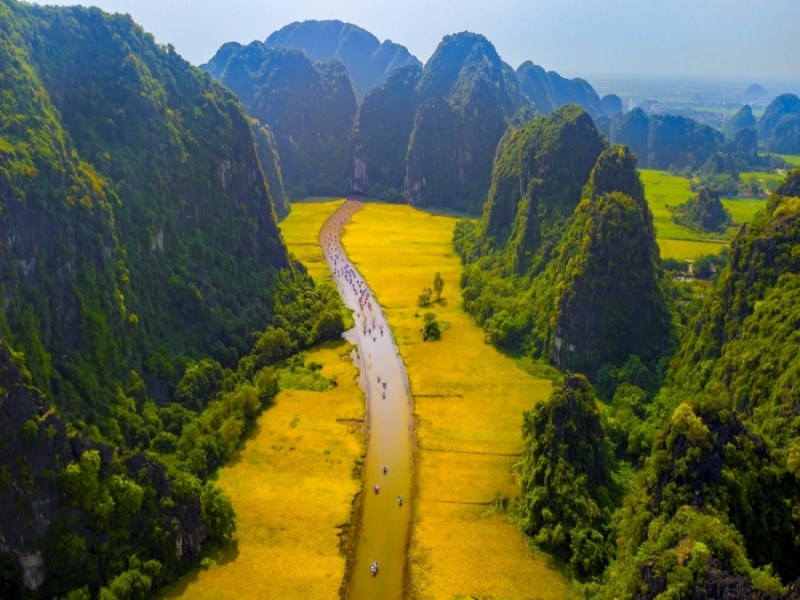
Towering karst formations dominate the Tam Coc valley, sculpted over millions of years by erosion and underground rivers. These limestone peaks create narrow corridors that frame the river and rice fields below.
Ngo Dong River
The Ngo Dong River gently winds through Tam Coc, reflecting mountains, sky, and farmland. It is the lifeline of the region — supporting agriculture, transport, and daily village life.
Rice Fields Along the River
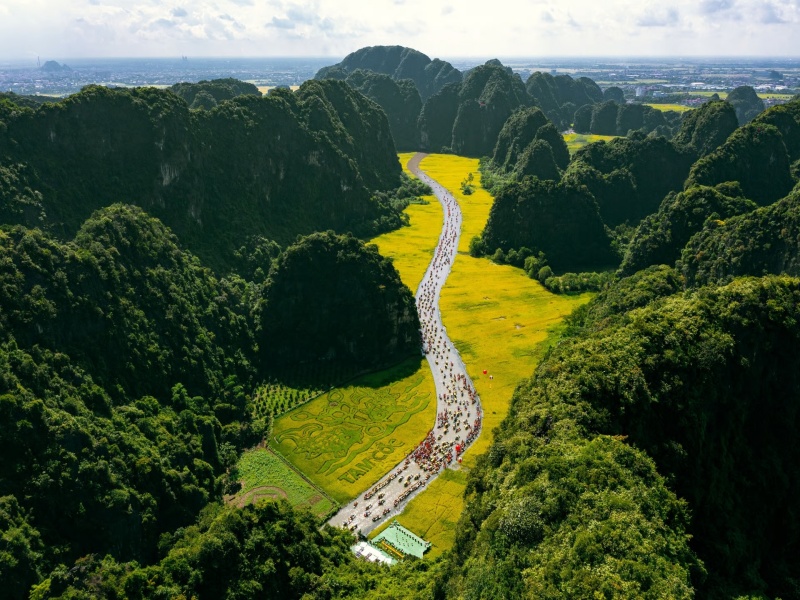
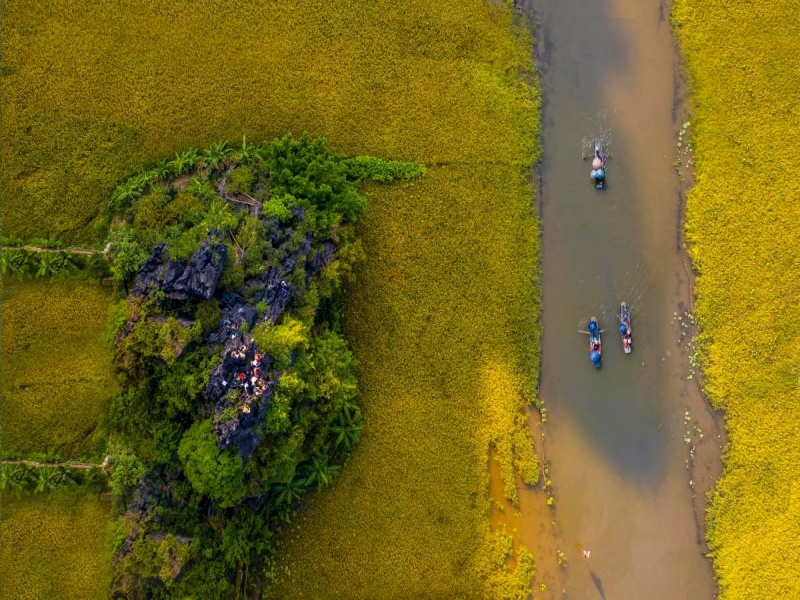
Tam Coc’s rice paddies are its defining visual feature.
- Late May – early June: golden harvest season (most famous)
- Other months: lush green fields or flooded paddies reflecting mountains
💡 Even outside rice season, the landscape remains beautiful — just different in character.
Caves of Tam Coc (Overview)
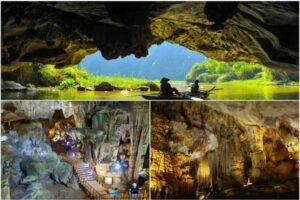
The “Three Caves” that give Tam Coc its name are natural limestone tunnels formed by the river:
- Hang Ca (First Cave) – the longest and most impressive
- Hang Hai (Second Cave) – smaller, with stalactite formations
- Hang Ba (Third Cave) – short, atmospheric, and quieter
These caves are not separate attractions — they are integral parts of the river landscape, experienced while traveling by boat through Tam Coc.
For route details, cave lengths, and visitor tips, see the Tam Coc Boat Tour guide.
Life Along the Ngo Dong River
Beyond scenery, Tam Coc offers a glimpse into everyday rural Vietnam.
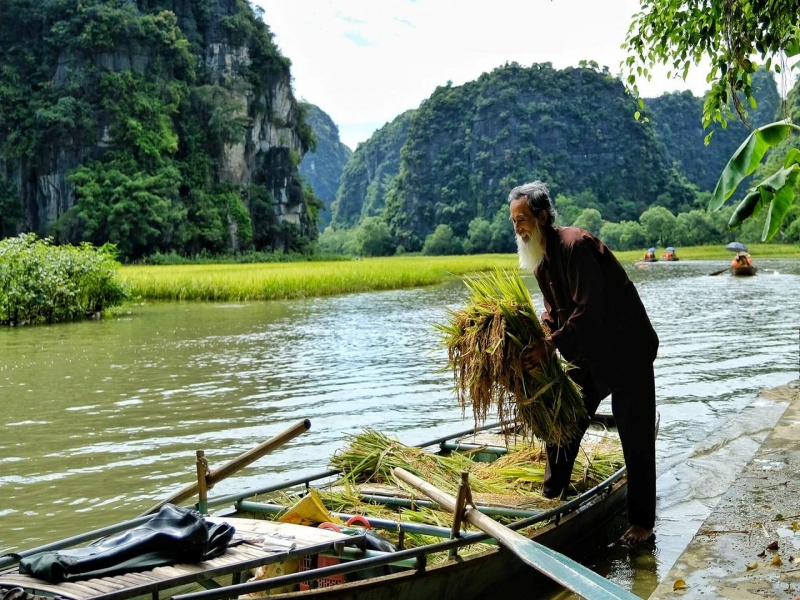
Along the riverbanks, you may see:
- Farmers planting or harvesting rice
- Fishermen casting nets or tending traps
- Water buffalo grazing near limestone cliffs
- Villagers rowing between fields and homes
These scenes are not staged — they are part of daily life and one of the reasons Tam Coc feels authentic rather than purely touristic.
Practical Information for Visiting Tam Coc
Entrance & Boat Fees (Reference Only)
- Tam Coc entrance fee: ~100,000 VND / adult
- Boat ride: ~150,000 VND / boat (shared by 2–4 people)
- Typical visit duration: 1.5–2 hours
- Prices and logistics can change seasonally.
How to Get to Tam Coc Ninh Binh (Quick Overview)
Tam Coc Ninh Binh is located about 100 km south of Hanoi (Vietnam’s Capital) and is easy to reach:
- From Hanoi: 2–2.5 hours by limousine bus, private car, or train + taxi
- From Ninh Binh City: 10–15 minutes by taxi, motorbike, or bicycle
Tam Coc can be visited comfortably as a day trip from Hanoi, or as part of an overnight stay in Ninh Binh.
For transport details, routes, and travel tips, see How to Get to Tam Coc Vietnam
If you are planning to visit other famous tourist attractions in Ninh Binh from Hanoi, read more: How to Get to Ninh Binh from Hanoi.

Best Time to Visit Tam Coc Vietnam
Tam Coc can be visited year-round, but each season offers a different atmosphere:
- Feb – Apr: mild weather, clear views, light greenery
- May – Jun: golden rice fields (peak photography season)
- Sep – Oct: fewer crowds, pleasant temperatures
- Nov – Jan: cooler weather, misty mornings
📌 Rice season lasts only a few weeks, but Tam Coc remains scenic outside this period.
For seasonal planning, see Best Time to Visit Ninh Binh guide.

How Tam Coc Fits Into a Ninh Binh Itinerary
Tam Coc’s central location makes it easy to combine with other highlights:
- Trang An Scenic Landscape Complex — a UNESCO World Heritage Site: river & temple complex
- Mua Cave – panoramic viewpoints above rice fields
- Bich Dong Pagoda – cave temples nestled into limestone cliffs
- Hoa Lu Ancient Capital – Vietnam’s first royal capital
- Thung Nham Bird Park: A haven for birdwatchers
- Bai Dinh Pagoda: The largest Buddhist temple in Southeast Asia,
Tam Coc works well as:
- A half-day visit from Ninh Binh town
- Part of a 1-day trip from Hanoi
- A base for a 2-day countryside itinerary
See sample plans in:
Experiences Around Tam Coc (Overview)
Beyond sightseeing, Tam Coc offers simple countryside experiences:
- Cycling through villages and rice paddies
- Visiting Van Lam embroidery village
- Short walks to Thai Vi temple and pagodas
- Countryside homestays and cooking classes
💡 These experiences are best explored slowly and are detailed separately.
See What to Do in Tam Coc for activity-focused planning.

Tam Coc vs Trang An – Which Should You Choose?
| Future | Tam Coc | Trang An |
|
|
|
|
|
|
|
|
|
|
|
|
Local Tip: If time allows, visiting both gives the most complete Ninh Binh experience.
For a deeper, side-by-side comparison, see Trang An vs Tam Coc – Which Should You Choose?Travel Tips for Visiting Tam Coc Vietnam
- Start early in the morning to enjoy cooler weather and fewer crowds
- Bring small cash for entrance fees and local services
- Dress modestly if combining your visit with temples or pagodas
- Stay overnight if possible — Tam Coc Vietnam is most peaceful early morning and evening
- Respect local life: farms and villages here are working communities, not theme parks
FAQs About Tam Coc Vietnam
Is Tam Coc worth visiting?
- Yes. Tam Coc offers some of the most scenic countryside landscapes in northern Vietnam, especially for first-time visitors to Ninh Binh.
How much time should I spend in Tam Coc?
- Most visitors spend half a day, but 1–2 days allows time for cycling, nearby temples, and a slower pace.
Can Tam Coc be visited as a day trip from Hanoi?
- Yes. Many travelers visit Tam Coc on a full-day trip from Hanoi, either independently or on a guided tour.
Is Tam Coc suitable for families?
- Yes. The area is calm, scenic, and family-friendly, with short travel distances and gentle activities.
Tam Coc or Trang An — which is better?
- Tam Coc Vietnam is best for rice fields and rural scenery, while Trang An offers a larger, more cultural experience. Visiting both provides the most complete picture.
Conclusion – Is Tam Coc Vietnam Worth Visiting?
Absolutely.
Tam Coc Vietnam is not just a boat ride — it’s a living countryside landscape where rivers, rice fields, limestone mountains, and village life blend seamlessly.
As the rural counterpart to Trang An’s grand heritage setting, Tam Coc offers a quieter, more intimate view of Ninh Binh — one shaped by nature and agriculture rather than monuments alone.
Understanding Tam Coc as a landscape and way of life, rather than a single activity, will make your visit far more meaningful.
Ready to plan your trip? Check: Ninh Binh Itineraries