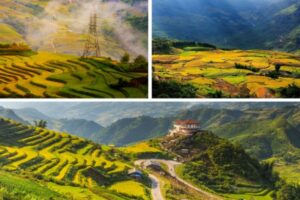
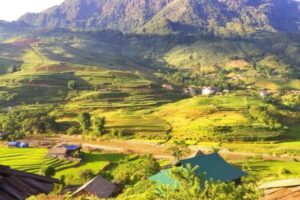
Sapa is beautiful year-round — but not in the same way every month. Because the town sits high in Vietnam’s northern mountains, the weather, rice terraces, and trekking conditions change dramatically with the seasons. The best time to visit Sapa depends on whether you’re chasing golden harvest landscapes, dry trekking trails, fewer crowds, or even a rare snowfall.
When is the best time to visit Sapa? (Quick Answer)
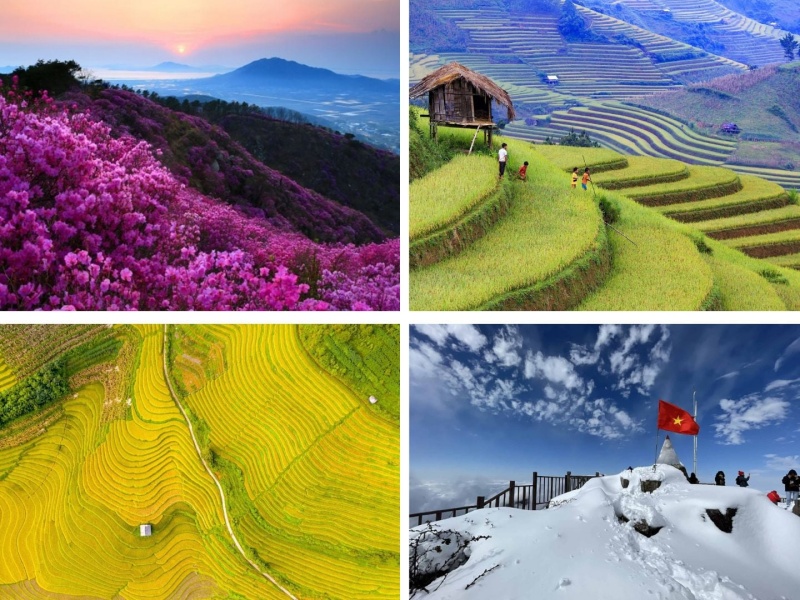
The best time to visit Sapa is March–April and October for clear skies, comfortable temperatures, and ideal trekking conditions. Visit in late September for golden rice terraces, or April and November for fewer crowds and better prices. Snow is possible — but rare — in January.
For detailed temperature and rainfall data, see our full Sapa weather by month guide.
Understanding Sapa’s Climate Before You Choose
At 1,500–1,800 meters above sea level, Sapa’s mountain climate is very different from the rest of Vietnam. The same valley can look completely different depending on the month you arrive.
It can be:
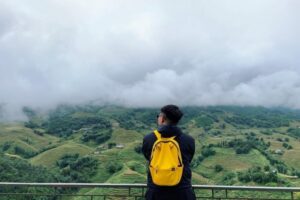
- Misty and atmospheric in January
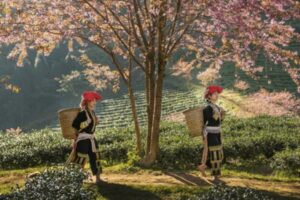
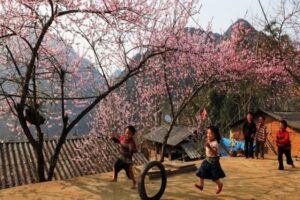
- Fresh and blooming in March
- Intensely green in July
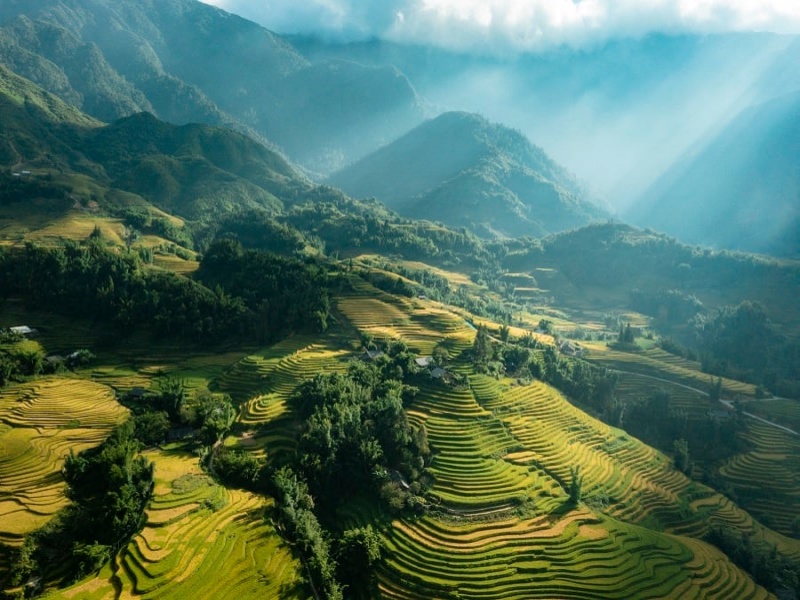
- Golden and glowing in late September
So the real question isn’t “Is Sapa good year-round?”
It’s: Which version of Sapa do you want to experience?
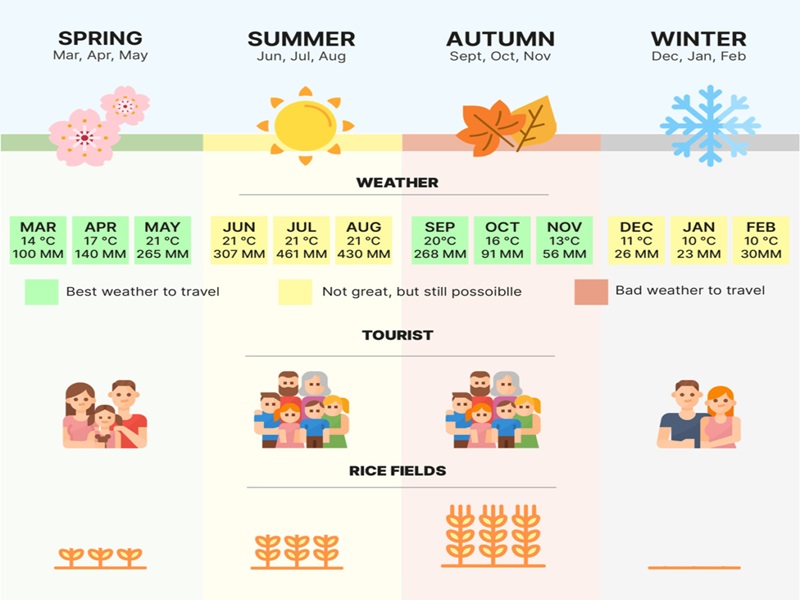
Best time to visit Sapa by Season
Each season doesn’t just change the temperature — it changes where you should go and what you should prioritize.
Here’s what that looks like in real travel terms.
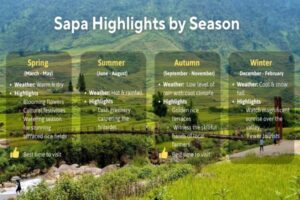
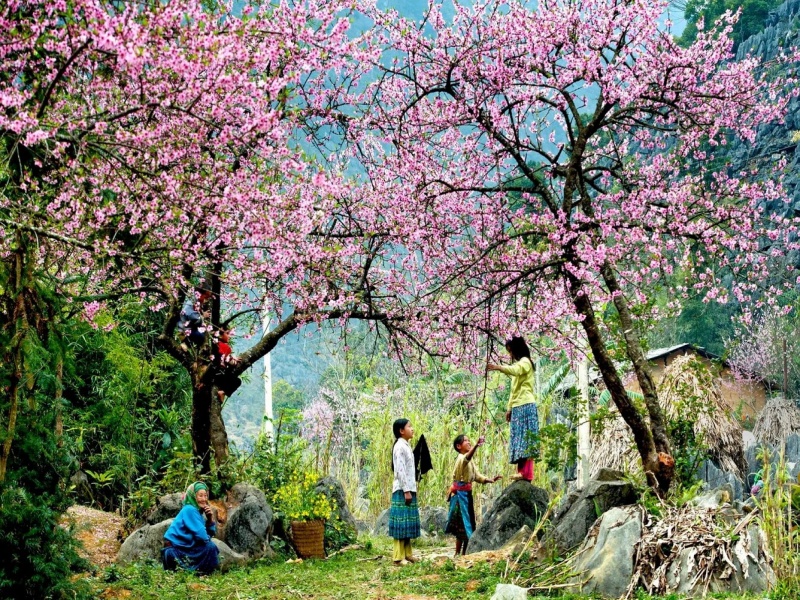
Spring (February–April) – Clearer Skies & Blooming Valleys
Spring arrives as winter fog gradually lifts from the mountains. Daytime temperatures range between 10–22°C, with cool mornings and comfortably warm afternoons — ideal for long walks through ethnic villages.
This is when trekking routes through Muong Hoa Valley, Cat Cat Village, and toward Y Linh Ho feel especially balanced. Trails are drier than in summer, visibility improves compared to winter, and peach and plum blossoms add color to the hillsides.
Rather than dramatic extremes, spring offers reliability. You can plan full-day treks without constantly adjusting for heavy rain or dense fog.
For many travelers, this season feels like the most “comfortable” version of Sapa.
Summer (May–August) – Emerald Rice Fields & Powerful Waterfalls
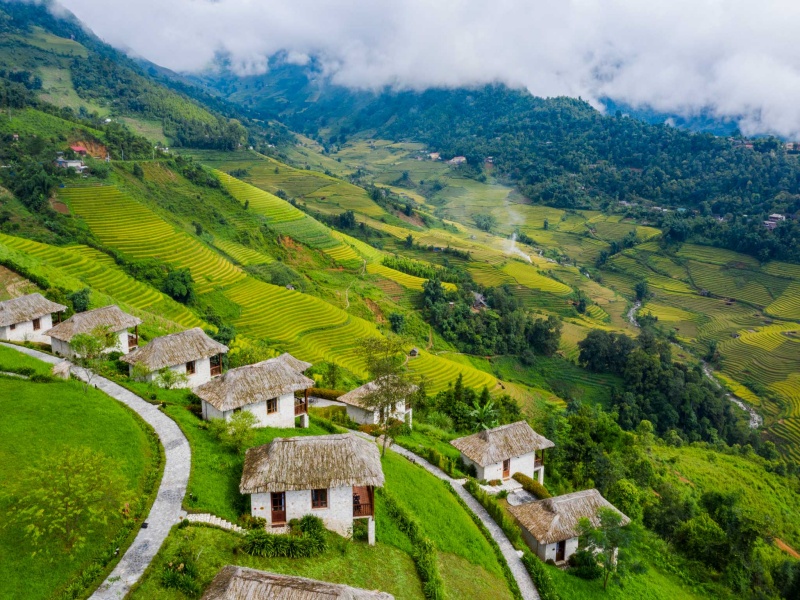
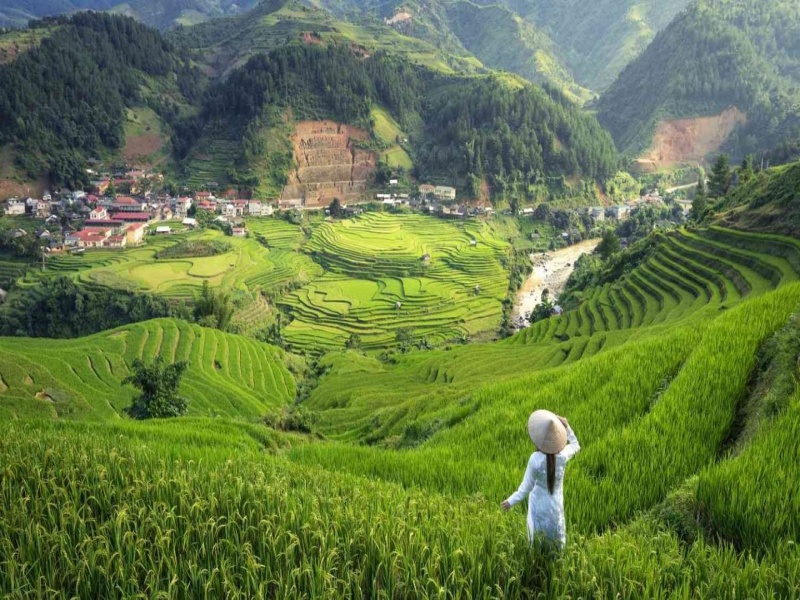
Summer transforms Sapa into its most vibrant green stage.
Temperatures typically range from 18–25°C, but humidity rises as monsoon patterns develop. Afternoon downpours are common, especially from June onward.
This is when:
- Rice terraces in Lao Chai and Ta Van village glow in deep emerald tones
- Silver Waterfall (Thac Bac) and Love Waterfall flow at their strongest
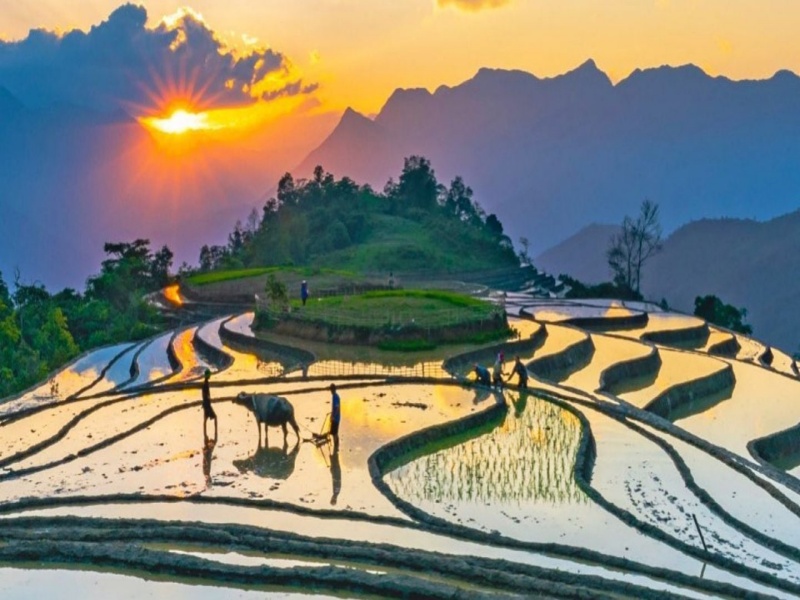
- Flooded fields in Muong Hoa Valley reflect the sky during watering season (late April–May)
The trade-off is unpredictability. Trekking toward more remote villages like Giang Ta can mean muddy paths and sudden cloud cover blocking mountain views.
Summer rewards flexibility. If you prioritize lush scenery over perfectly clear skies, this season delivers dramatic landscapes few visitors expect.
Autumn (September–November) – Harvest Light & Expansive Views
Autumn shifts the entire visual character of Sapa.
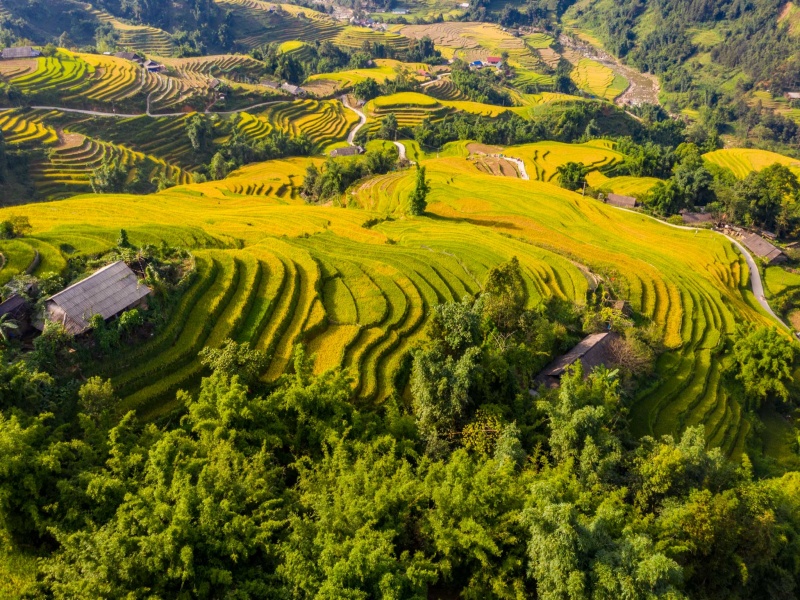
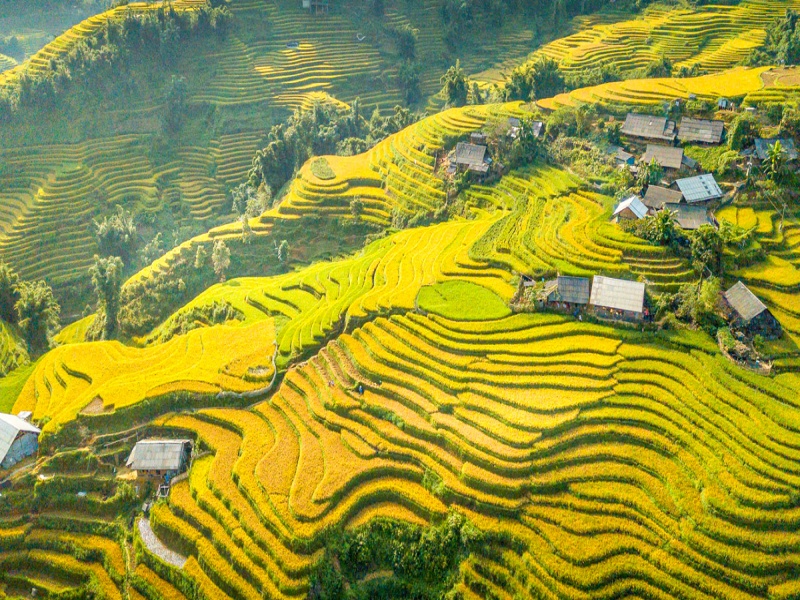
During harvest weeks — typically from late September into early October — rice terraces in Lao Chai village, Ta Van, and along Muong Hoa Valley turn layered shades of gold. Cooler air (15–25°C) and lower rainfall improve visibility across the valleys.
Instead of focusing only on “golden rice,” it helps to think spatially:
- Early morning light above Lao Chai offers sweeping panoramic views.
- Paths between Ta Van village and Giang Ta combine harvest scenery with manageable trekking conditions.
- By mid-to-late October, terraces are harvested, but clearer skies and stable ground still make it an excellent trekking window.
Autumn isn’t just photogenic — it’s balanced, which explains why it consistently draws the largest number of visitors.
 Read more: Best Time to Visit Sapa’s Rice Fields for the Most Beautiful Views
Winter (December–January) – Mist, Silence & High-Altitude Atmosphere
Winter reshapes Sapa into something quieter and more atmospheric.
Temperatures usually range from 3–12°C, but during strong cold waves can drop near freezing — especially around Fansipan Peak (3,143m).
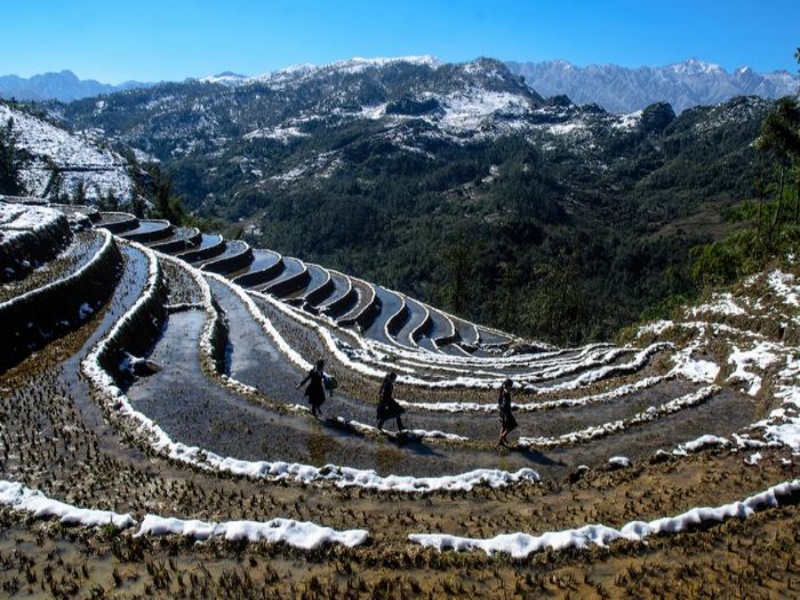
Fog often settles over town in the early morning, softening views around Stone Church and from Ham Rong Mountain. At higher elevations near Fansipan, frost — and occasionally rare snowfall — becomes possible.
This season is less about vibrant terraces and more about mood. Trekking is still possible, but damp cold and limited visibility can affect comfort.
Winter suits travelers who appreciate dramatic mountain ambiance over postcard colors.
Choosing the Best Time Based on Your Travel Style
The best time to visit Sapa isn’t the same for everyone. Your ideal season depends on what you want to experience — trekking, photography, cultural immersion, or simply saving money.
Here’s how to choose based on what you actually want to do.
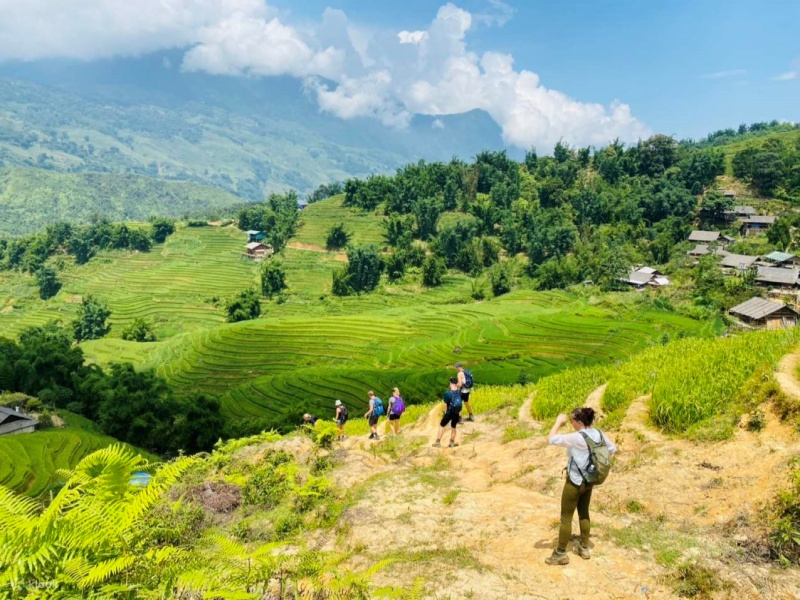
For Trekking Enthusiasts – Prioritize Stable Ground & Clear Views
If hiking through villages is your main goal, target periods when trails are firm and visibility is higher.
Routes that benefit most from these conditions include:
- Muong Hoa Valley → Lao Chai → Ta Van
- Y Linh Ho hillside paths
- Connections toward Giang Ta
During months with moderate rainfall and temperatures around 15–25°C, these treks feel far more enjoyable and safer compared to peak monsoon season.
Avoid June–August if long-distance trekking is your priority.
Explore route breakdowns in our Sapa trekking guide.
For Golden Rice Photography – Time It Precisely
Harvest scenery is location-specific and short-lived.
The most photogenic terraces are typically found around:
- Elevated viewpoints above Lao Chai
- Hillsides surrounding Ta Van
- Wider valley overlooks in Muong Hoa
Because harvest timing shifts slightly each year depending on rainfall, flexibility of a few days improves your chances.
If photography drives your trip, plan your dates around the fields — not the other way around.
For additional ideas, see Things to do in Sapa.
For Budget Travelers – Use the Shoulder Logic
Prices respond more to crowd patterns than temperature.
Periods just before or after peak demand — such as April and November — often offer:
- Lower hotel rates
- Shorter queues at Fansipan cable car
- Less crowded trekking routes
You still experience pleasant mountain conditions, but without peak-season congestion.
Avoid major Vietnamese holidays if keeping costs down is your top priority.
If you’re planning a short visit, our suggested Sapa itinerary can help you structure a cost-efficient trip.
For Snow Seekers – Focus on Elevation
Snow in Sapa is rare and unpredictable.
When it happens, it is usually at higher elevations:
- Fansipan summit
- Upper cable car station areas
Even without snowfall, winter cold combined with fog creates a mountain atmosphere completely different from tropical Vietnam.
Flexibility is essential if snow is your main motivation.
For Cultural & Local Market Experiences
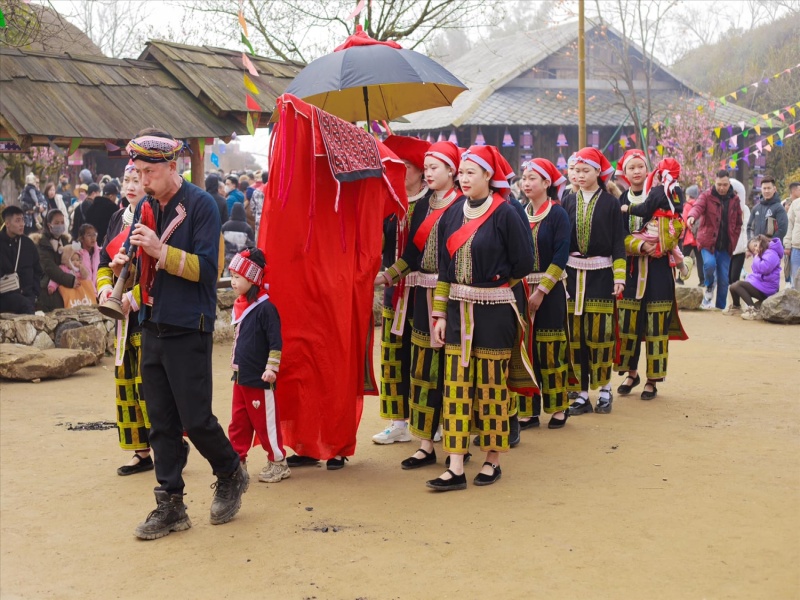
From January through March, ethnic minority communities celebrate traditional festivals following Lunar New Year.
Markets near Bac Ha (day trip option) and village gatherings around Sapa become culturally vibrant.
While mist may limit sweeping mountain views, this is when Sapa feels most socially dynamic rather than purely scenic.
A Simple Month-by-Month Feeling Guide
Here’s a quick overview to help you decide at a glance:
- January → Cold, misty, possible frost
- February → Cool, blossoms, cultural events
- March → Balanced trekking weather
- April → Mild, fewer crowds
- May → Green terraces begin
- June → Lush landscapes, rainy afternoons
- July → Very green, heavy rain
- August → Misty and dramatic
- September → Golden rice peak
- October → Clear skies, great trekking
- November → Quiet and cool
- December → Cold mountain atmosphere
For detailed climate numbers, explore Sapa weather by month.
When to Avoid Visiting Sapa
While Sapa is a year-round destination, some periods can significantly affect your experience.
Peak Monsoon (June–August)
Heavy rainfall increases the risk of landslides, slippery trekking routes, and limited mountain visibility. Outdoor activities may be disrupted.
Extreme Cold Without Preparation (Late December–January)
Temperatures can drop close to freezing. Many hotels lack central heating, and damp cold feels harsher than expected.
National Holiday Congestion
Avoid:
- Vietnamese Reunification Day (April 30 – May 1)
- National Day (September 2)
- Lunar New Year (varies)
During these periods, hotel prices surge and Fansipan cable car lines can be extremely long.
Final Verdict – Choosing the Best Time for YOU
If you’re still unsure, don’t overthink it. Use this simple filter:
- If this is your first visit and you want the safest overall choice → October.
- If your dream is golden rice terraces → plan specifically for late September.
- If you love comfortable trekking weather → choose April.
- If you prefer lower prices and fewer crowds → go in November.
- If you want to experience a rare snowy Sapa → try January, but stay flexible.
Here’s the key psychological shift:
- There is no “perfect” month.
- There is only the month that best matches your priority.
Once you decide what matters most — scenery, budget, trekking comfort, or culture — the right time becomes clear. The best time to visit Sapa isn’t just about weather — it’s about choosing the version of the mountains that fits your travel story.
Frequently Asked Questions
Is September really the best month to visit Sapa?
- For golden rice terraces, yes. September offers the most iconic scenery. However, March and April may offer more stable trekking weather.
Is Sapa worth visiting in the rainy season?
- It can be, especially if you love lush green landscapes. Just be prepared for sudden rain and muddy trails in July and August.
When are Sapa’s rice fields green?
- Rice fields are brightest green from late May to August, during the growing season.
Does it snow in Sapa every winter?
- No. Snow is rare. Frost is more common. Snow usually occurs only when temperatures drop very low in late December or January.
What is the cheapest time to visit Sapa?
- November and early December typically offer better hotel rates and fewer tourists.